Welcome to Diabetics Doing Things!
Since 2015, we have been telling the amazing stories of people living with diabetes from all over the world. Our podcast has been downloaded over 2 million times from listeners in over 100 countries. We’ve connected with friends with diabetes from all over the world thanks to the power of social media and whether you’re a first time visitor or a long time listener, we’re glad you’re here.
It's episode 450 of Diabetics Doing Things — a milestone Rob almost forgets to mention until he's three topics deep. Fresh off Friends for Life in Orlando, he lays out what he calls the diabetes conference pyramid: the industry side (ADA, ADCES, ATTD, EASD) built for HCPs and brand messaging, and the community side, where Friends for Life stands alone as the one event he'd choose if he could only pick one. He also previews the upcoming Diabetes Legends Dallas clinic and makes his now-recurring case for why kids with diabetes belong on a team.
Then Rob shifts from the conference circuit to something he's been quietly building: a searchable AI archive of every Diabetics Doing Things episode — all 450 of them — that surfaces clips, timestamps, and quotes on demand. He walks through a live demo, asking it about diabetes and mental health and watching it pull exactly the right moments from years of the show's back catalog. It's his first real answer to a question he's been sitting with: what do you actually build for people with diabetes when you have this much lived experience and the tools to use it.
The back half gets more personal. Rob is wrapping a 90-day clinical trial on an unreleased insulin pump algorithm — a strange experience in handing over control of his own management — and talks candidly about what "locking in" has looked like lately: earlier mornings, journaling, lower-carb meals without the guilt spiral, and a real 30-day discipline streak. He closes with an unguarded account of the Diabetes Sangha meditation retreat he attended this spring, why the "woo-woo" label doesn't scare him off, and a new mental health resource from Omnipod and Calm worth knowing about.
If you're weighing whether diabetes conferences are worth your time, curious what an AI trained entirely on this show can actually do, or just want to hear someone talk honestly about discipline and burnout without the performance — this one's worth the full listen.
Chapters
00:00 Episode 450 and fresh Friends for Life recap
02:22 Mapping the diabetes conference pyramid: industry side
05:41 Why Friends for Life beats every other conference
08:20 TCOID, Connected in Motion, and Camp Diabetes
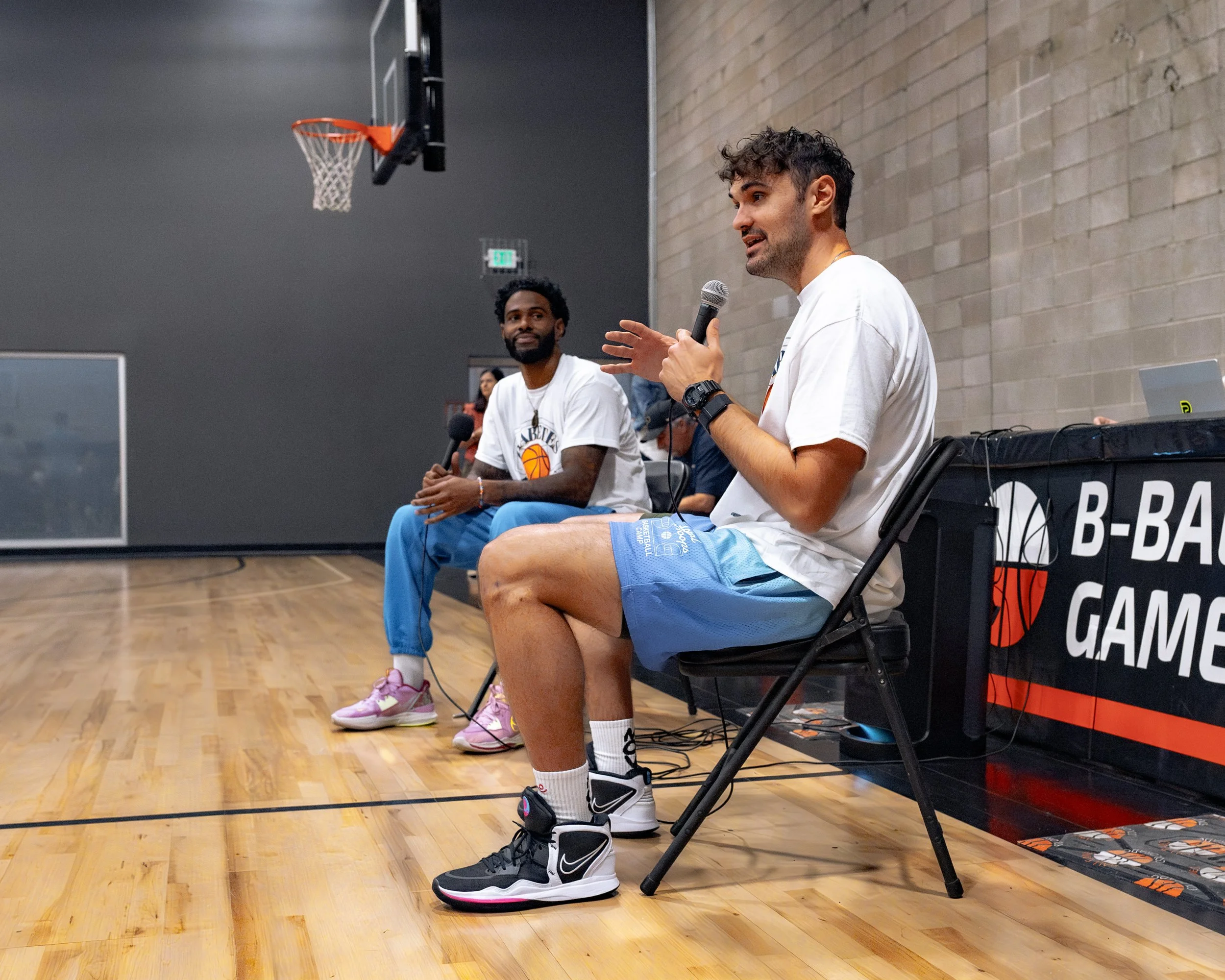
11:07 Diabetes Legends Dallas and youth sports advocacy
14:41 Insulin Sensitivity Playbook recap and fan-favorite guests
17:02 Unveiling the DDT AI archive (live demo)
22:00 Personal update: the 90-day clinical trial
25:51 Locking in: mornings, journaling, and low-carb peace
28:21 Inside the Diabetes Sangha meditation retreat
30:52 Omnipod x Calm partnership and mental health resources
32:46 What's coming next and how to find Rob
Melissa Slemp has lived with type 1 diabetes for 44 years — since she was diagnosed in 1982, before glucometers, before CGMs, back when insulin came from vials and syringes and "boiling your needles" was still a recent memory for a lot of people. In this episode, she and Rob trace that whole arc: what early management actually looked like, the high-risk pregnancy she navigated in the 90s, and the moment — after more than four decades on injections — she finally switched to a pump. If you've ever wondered what it's like to hand over that much control after that much time, this is the conversation.
But the real heart of this episode is the part almost nobody is talking about: what happens to blood sugar when a woman with type 1 diabetes hits perimenopause. Melissa walks through her own experience of watching her basal insulin needs climb for no obvious reason, the years she spent without an explanation, and what she eventually learned about estrogen, progesterone, and insulin resistance — knowledge she says she had to dig up herself, because most endocrinologists and OBGYNs simply aren't trained in the overlap. That research became the reason she wrote Highs, Lows, and Hormones, a survival guide for women navigating diabetes from their monthly cycle through menopause.
Along the way, Rob and Melissa get into hormone replacement therapy, why so many women blame themselves before they ever think to blame their hormones, and the bigger pattern underneath it all: how much of diabetes research and care has historically centered men, and what it costs women when it does. There's also a genuinely great story about how Melissa met her husband, who also lives with type 1 — on the side of the road, of all places.
This one's for anyone managing type 1 diabetes as a woman, anyone who loves someone who is, or anyone who's ever felt like their body changed the rules without telling them why.
Chapters
00:00 — Cold open and introducing Melissa Slemp
01:21 — Welcome, and 44 years living with type 1 diabetes
02:24 — Diagnosed in 1982, before glucometers existed
04:03 — Reframing: the best and hardest time to have diabetes
04:59 — Growing up rural with limited access to healthcare
07:09 — Early management: injections, mixed insulin, urine strips
07:46 — A high-risk pregnancy in the 90s
08:13 — Switching to a pump after 40+ years on injections
10:24 — How Melissa met her husband, also living with T1D
13:06 — Introducing the hormone and diabetes connection
20:14 — Rising basal needs and insulin resistance in perimenopause
25:25 — Community stories and menopause's hidden career toll
29:44 — The gender gap in diabetes research
33:04 — Hormones, GLP-1s, and insulin as hormone therapy
36:03 — Advocating for yourself with doctors and specialists
Rob was at ADA 2026 in spirit — armed with press access and a list of questions unrelated to the usual conference talking points. His first guest from that coverage is Jake Leach, Dexcom's new CEO, who took over the role on January 1st after 22 years at the company. This is Jake's first time on Diabetics Doing Things as CEO. It sounds like two people having a real conversation about what it means to lead a company that millions of people with diabetes depend on every single day.
They get into the research that came out of this year's scientific sessions — specifically, the CONNECT trial, a global randomized controlled study that examined what happens when people with type 2 diabetes who aren't using insulin start using the Dexcom G7. The numbers are striking: an average 1.6% reduction in HbA1C, 5 additional hours per day in range, and 97% sensor utilization over 6 months. That last number might be the most telling — it answers the question the diabetes world has been asking for years about whether people without hypoglycemia risk would actually wear a CGM consistently. Turns out, they will.
Rob also pushes the conversation into territory that most executive interviews don't touch. When Dexcom products intended for destruction were stolen and resold to patients, Jake had to go from leading conference sessions to serving as something closer to a chief detective. His candid answer about feeling genuinely betrayed — and how the newly launched Customer Advisory Council became an unexpected asset in getting the word out — is one of the more honest moments you'll hear from a medical device CEO. The council itself, publicly announced and facilitated externally to get truly unfiltered feedback, is something Jake stood up as one of his first acts as CEO.
They close on the bigger picture: G8 on the horizon (half the size of G7, with adaptive sensor technology that auto-corrects signal drift), the Nutrisense acquisition adding nutrition coaching to the platform, and where Jake sees Dexcom going as it scales toward serving hundreds of millions of people globally. If you've ever wondered what the person at the top of your CGM company is actually thinking about, this episode gives you a pretty clear answer.
Chapters:
00:00 Rob sets up ADA 2026 remote coverage
01:46 Welcoming Dexcom CEO Jake Leach back
02:30 First 90 days: Jake's three CEO priorities
04:39 The Customer Advisory Council goes public
06:47 What the council revealed about communication gaps
08:44 Stolen sensors: Jake's personal reaction
10:39 How the council helped contain the crisis
11:20 CONNECT trial: CGM for non-insulin type 2 users
15:16 97% adherence and five more hours in range daily
16:16 G8 preview: smaller, smarter, adaptive sensing
16:44 Acquiring Nutrisense and redesigning the app experience
19:52 Optimizing beyond insulin: smart bolus and GLP-1s
21:13 Why CGM and GLP-1s are surprisingly powerful together
22:27 Jake's long-term vision for Dexcom's global impact
24:14 Transparency as the foundation of high-performance culture
Resources:
Dexcom — dexcom.com | Follow Jake and the team for updates on G8, Stello, and the Customer Advisory Council findings
CONNECT Trial — The full study results from ADA 2026 Scientific Sessions.
When mutual friends in the diabetes community kept telling Rob he had a doppelganger in LA, he figured they were exaggerating. Then he met Dylan Leonard — creative director, documentary filmmaker, college basketball player, type one diabetic, philosophy reader, world traveler — and yeah, the comparisons held up pretty well.
Dylan was diagnosed at 15, having dropped 45 pounds before anyone realized something was wrong. He went from a hospital bed thinking he'd never eat sugar again to playing college basketball while managing T1D without a CGM, without a pump, and without knowing a single other person with diabetes for his first decade. What carried him through was activity — six hours of workouts a day during basketball season — and a mindset he's been intentionally building ever since through reading, travel, and genuinely hard conversations with himself.
This episode goes wide. Rob and Dylan dig into Dylan's upcoming documentary Breaking Limits: Life on the Edge, which follows elite athletes with type one diabetes across seven different sports — from Olympic competitors to IndyCar drivers to American Ninja Warriors. Dylan invested his own money and thousands of hours into this project, not to make a cent, but to hand a 15-year-old sitting in a hospital bed the resource he never had. They also get into the philosophy of travel as the cheapest education on earth, why our brains literally haven't caught up to the abundance of modern life, the difference between manifesting and obsessing, and what a five-hour train conversation with a Norwegian stranger taught Dylan about human connection.
Oh, and they're making plans to run a hoop session next time Rob's in LA. Cameras included.
Chapters:
00:00 Rob's T1D doppelganger, meet Dylan
01:49 Dylan introduces himself: creative, hooper, T1D
02:39 Dylan's diagnosis story: 45 lbs lost at 15
04:36 First pickup game post-diagnosis, flying blind
06:26 How activity literally saved his diabetes management
07:28 Life after college ball: blood sugars out of whack
09:12 Morning routine: walk, no phone, delayed caffeine
10:34 Civilized to Death and the myth of progress
14:48 Our brains weren't built for this level of abundance
17:21 Phones, phones everywhere — even for T1D management
19:45 Abundance mindset, FOMO, and the creative career trap
21:01 Why athletes list it: delayed gratification is a superpower
24:20 Self-help books, repetition, and finding what actually works2
7:48 Manifestation is obsession with action behind it
29:15 Compounding growth: who were we six years ago?
33:14 Breaking Limits documentary: T1D athletes across seven sports
38:59 Nine months of travel: Vietnam, Norway, Australia, Mexico
40:00 "The cheapest education on earth is a one-way flight"
44:44 Japan and what loneliness taught him about human connection
Resources:
Civilized to Death by Christopher Ryan — the book Dylan cites on the myth of perpetual progress and why foraging societies may have been happier than ours
The Game of Life and How to Play It by Florence Scovel Shinn — Dylan's twice-a-year read, ~95 pages, written 100 years ago, still hitting
Risley Health / Rising Above T1D — where Dylan has previously appeared on podcast and debuted early cuts of Breaking Limits (link to Riseley Health podcast)
Tyler Cook is a professional GT3 racing driver who has competed in some of the most grueling endurance races on the planet, the 24 Hours of Spa, the 24 Hours of Nürburgring, IMSA, and GT World Challenge Europe. He's also been living with type 1 diabetes since he was 11 years old. This episode gets into what it actually looks like to manage blood sugar in a fire suit, in a 130-degree cockpit, at 150 miles per hour, sometimes at 3 a.m.
Tyler takes us back to his diagnosis in 2006 — an ICU stay, four IVs, and a very specific grief over the chocolate mousse at Epcot's France pavilion. From there, he walks us through the journey from go-karts in his dad's garage to GT3 race cars with 650 horsepower. Along the way, there was bullying in middle school over his diet, sneaking to the bathroom to give injections on dates, and a decision somewhere along the line to stop hiding his diabetes and start owning it.
We get into the technical side, too: how OmniPod changed his race management strategy, why adrenaline sends his blood sugar climbing instead of crashing, what a 24-hour-race insulin plan actually looks like, and what it means to have a Gatorade button wired into your cockpit as an emergency low-blood-sugar protocol. Tyler also talks about the physical training side of racing — heart rate zone work, neck day (yes, neck day), and why a GT3 driver can be pressing 1,200 pounds of brake force per pedal.
The episode wraps with something that's been sitting with both Rob and Tyler: the idea of trusting the process. For Tyler, the lesson comes through racing — you can't skip steps from spec Miata to GT3. For people with T1D, it's the same. Wherever you are in your management journey, that's where you are — and it's going to get better if you just keep going.
Chapters:
00:00 Climbing out of a race car at 2 a.m.
00:51 Introducing Tyler Cook, GT3 driver with T1D
01:52 Diagnosis at 11: ICU, four IVs, and Epcot chocolate mousse
04:16 Go-karts at three, racing in the family DNA
06:20 Racing pre-CGM: going off vibes and feeling lows
07:29 Bullied for his diet in middle school
09:53 Dating with diabetes and deciding to stop hiding it
12:29 Going public: from fear of losing opportunities to advocacy
13:35 A potential cure and why staying healthy now matters
17:19 What GT3 racing actually is — and why you should go watch it
23:02 The Gatorade button: CGM and cockpit glucose management
24:28 130-degree cockpits, adrenaline spikes, and pre-race hydration
25:39 WHOOP strain scores: practice vs. race stint
28:37 Training for the car: heart rate zones, neck day, 1,200-lb brakes
36:45 What Tyler would tell 11-year-old himself: trust the process
Resources:
“When you’re diagnosed with diabetes in the modern era, one of the first things you do is search for people doing the thing you love with diabetes. We tell their stories.”

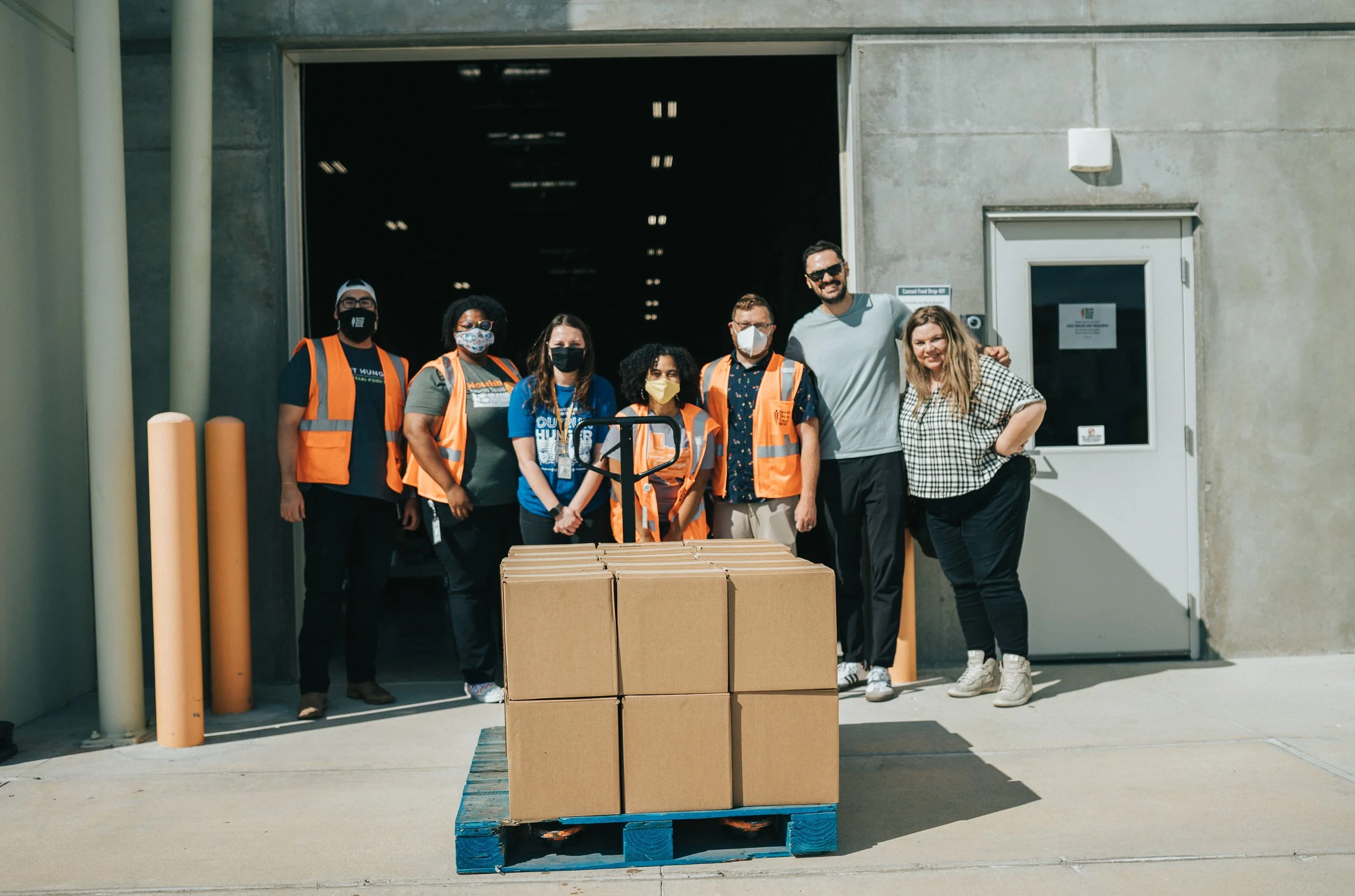

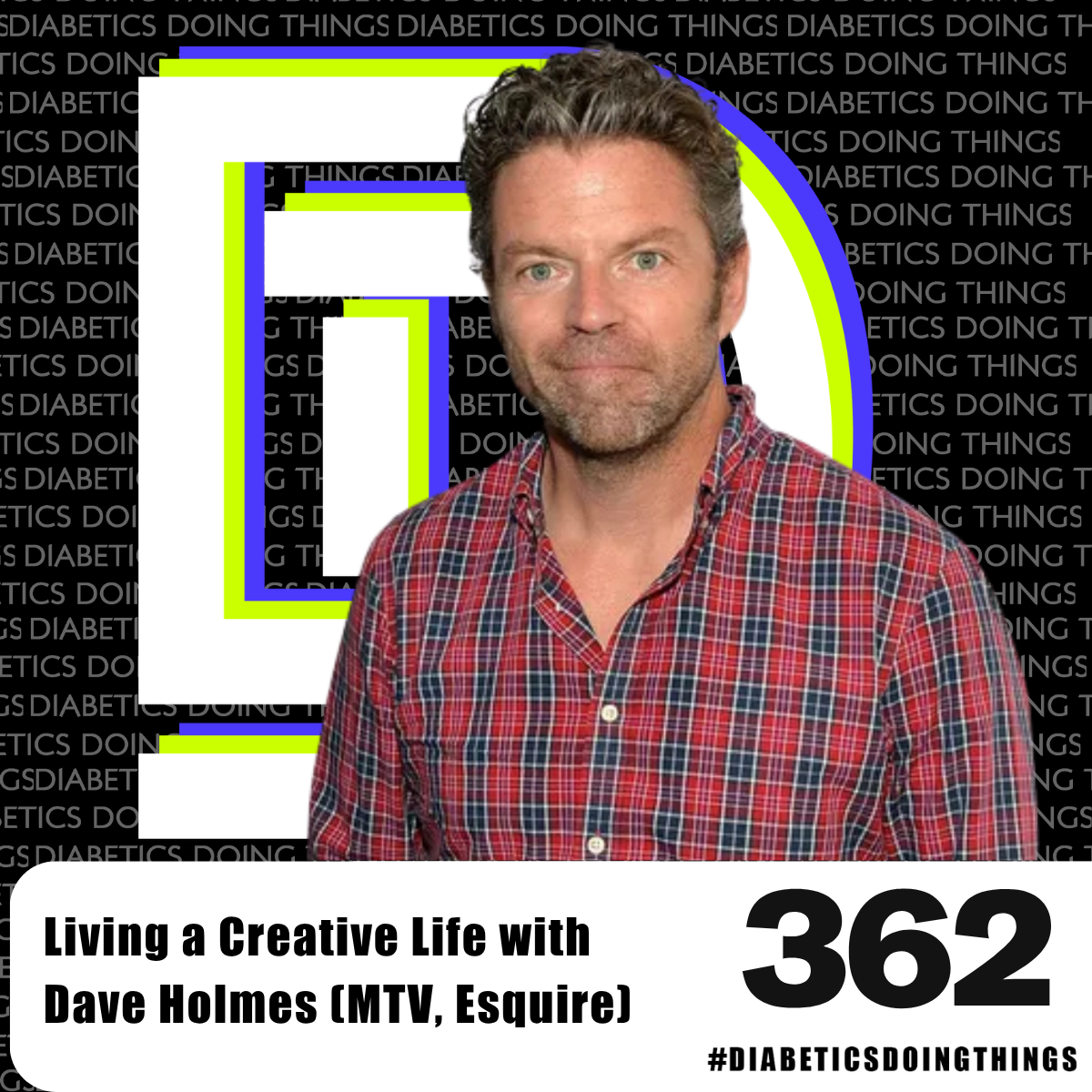
Dave Holmes spent the late '90s and early 2000s as one of the faces of MTV, and these days he's a sharp, funny voice at Esquire — but before any of that, he spent six years being told he had type 2 diabetes when he actually had type 1. This week, Rob sits down with Dave to talk about that misdiagnosis, the strange cluster of friends who were diagnosed around the same time, and a diabetes-age chart Rob saw at a conference that will change how you think about who gets T1D.
From there, the conversation turns into a real, unpolished look at what it takes to live a creative life. Dave and Rob are both working through Julia Cameron's The Artist's Way right now — morning pages, artist dates, and all — and they get honest about guilt, perfectionism, and the fear of putting out work that isn't ready. Dave, a professional writer with a book and a byline at one of the biggest magazines in the country, admits he still feels like a fraud turning in a rough draft. It's a good reminder that "getting easier" was never really the goal — getting better at the hard parts is.
Along the way, Dave and Rob swap stories about the universe nudging you toward where you're supposed to be — a DJ gig that came out of nowhere, a stranger at a DVD store, a maintenance worker who turned out to also be living with diabetes. It's the kind of episode that starts as a diabetes story, turns into a conversation about creativity, and ends up being about paying attention to your life.
And because no DDT episode is complete without some fun, Dave and Rob close it out with a segment they're calling the Bad Advice Song Draft — three rounds each of picking the most beloved songs with the absolute worst advice buried in the lyrics. Stalking anthems, teenage recklessness, and one song so ethically questionable that Kidz Bop wouldn't touch it. Tune in for all of it.
Chapters:
00:00 Meet Dave Holmes: MTV VJ turned Esquire writer
02:52 Dave's six-year road to the right diagnosis
05:54 The surprising truth about T1D and age
07:13 How The Artist's Way found them both
08:37 Why Dave restarted the 12-week program now
12:48 Comparing morning page routines and habits
15:39 Getting unstuck: movement, walks, dumb writing
17:30 An artist date leads to an unplanned DJ gig
20:10 Beginner's mind and the fear of being filmed
21:09 Dave on perfectionism and feeling like a fraud
25:18 Resilience: "it doesn't get easier, you get better"
27:36 A screenwriter's ultimatum sparks Dave's fiction project
30:41 Meditation, synchronicity, and a DVD store coincidence
33:28 The ball-spinning experiment: "you can just do stuff"
38:05 Signs from Rob's dad, and a Disney parking-lot miracle
42:19 The Bad Advice Song Draft begins
Resources:
The Artist's Way by Julia Cameron
Dave Holmes on Instagram
Dave Holmes at Esquire — his latest writing and pop culture commentary.