

Diabetics Doing Podcasts and Parenting with Stacey Simms
Episode summary
Stacey Simms hosts the Diabetes Connections podcast and spent over a decade as a TV and radio health reporter before her son Benny was diagnosed with type 1 diabetes in late 2006, just before he turned two. She talks with Rob about the fear of those first weeks, the advice from their endocrinologist to make care routine rather than reward-based, and why humor took away some of diabetes's power over her family. They cover her shift from broadcast news into blogging and podcasting, how she decides what to share about Benny publicly, and the tough questions she asks health companies and executives. She also explains the Facebook argument that gave her book, The World's Worst Diabetes Mom, its title.
Key takeaways
- Stacey's endocrinologist told her to make insulin shots and finger sticks routine with no rewards, since treating basics as special made them harder, not easier.
- Stacey says she gives Benny incentives for trying new things, like site rotation or a new CGM, but never for the basic daily tasks of checking blood sugar or taking insulin.
- Stacey believes humor takes away diabetes's power, and that parents have to give their kids permission to fail or they'll never build confidence.
- The book's title came from a Facebook argument where another parent told Stacey she was harming her child by allowing him independence.
- Stacey says a common theme in her interviews is how badly many adults are diagnosed, often misdiagnosed as type 2 for years before being correctly identified as having type 1 or LADA.
Show notes
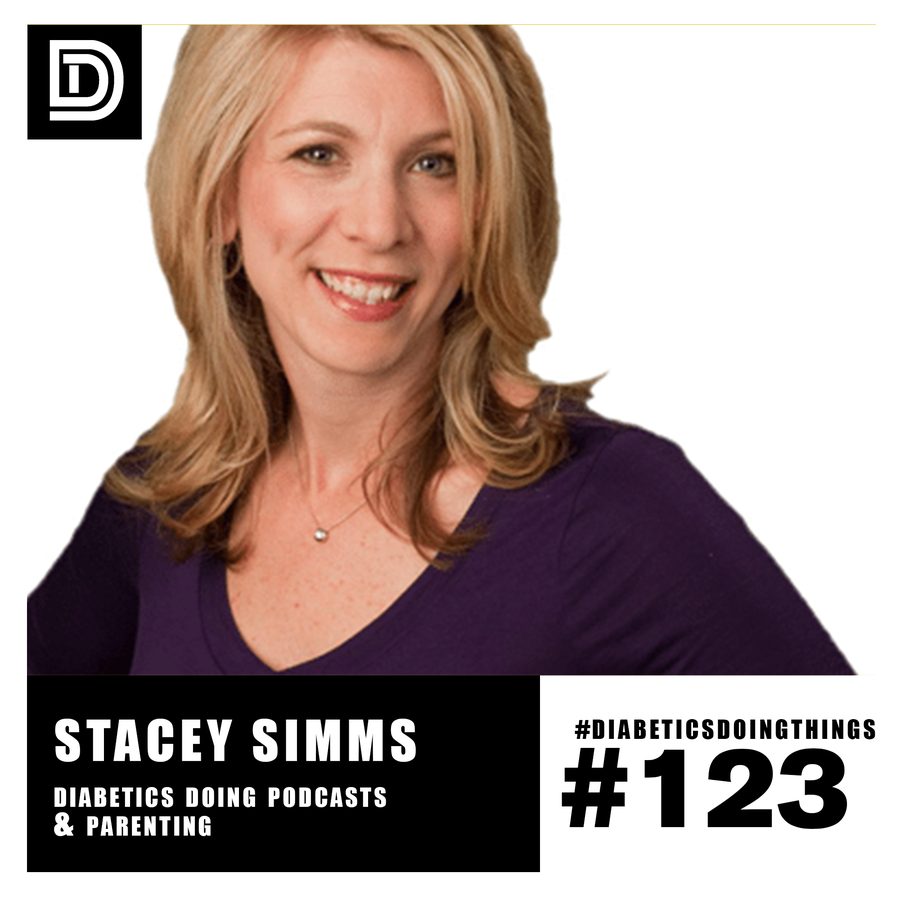
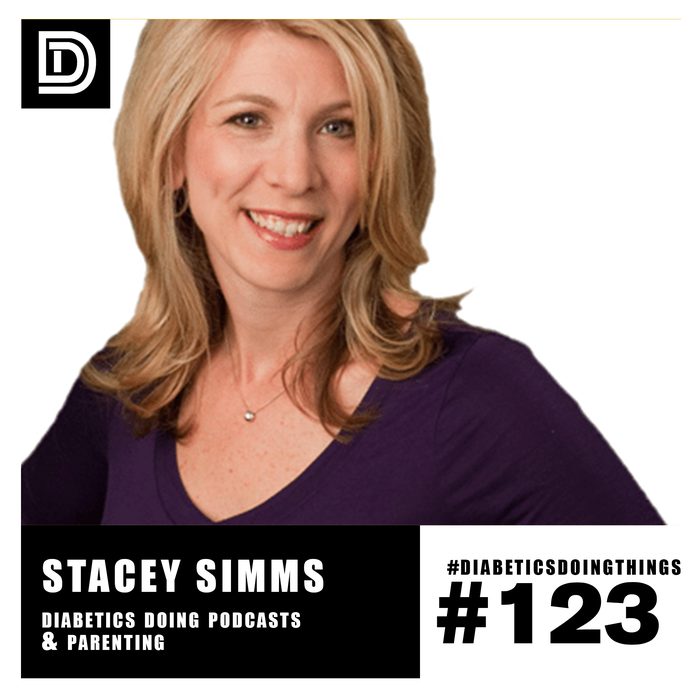
Stacey Simms, (@staceysimms on Instagram) host of Diabetes Connections and mother to a T1D joins the show for an in-depth discussion on what’s it’s like as a parent to a T1D as well as how Diabetes affects the lives of Parents, especially in the early days.
We discuss how to take power back from Diabetes through laughter, and I dig deep into how I believe Diabetes makes you better at handling failure. From there, Stacey takes us through her “diagnosis journey” as a parent of a T1D. Believe it or not, even before she was a Diabetes Mom, Stacey had been involved with JDRF through her job.
Stacey is a frequent speaker on the JDRF Summit circuit, and she has turned her talk “The World’s Worst Diabetes Mom" into a book which launches November 1. You can pre-order the book at this link . Stacey gave me an advanced copy, and I really enjoyed the tactics and learnings that she shares. I’d highly recommend the book for parents of a T1D.
How do you like the parenting pods? I’m interested in digging into some conversations with non-T1D parents perspective.
Questions this episode answers
When was Stacey Simms' son diagnosed with type 1 diabetes?
Stacey's son Benny was diagnosed in late 2006, just before he turned two years old.
What is Stacey Simms' book The World's Worst Diabetes Mom about?
It covers Benny's life up to about age 12, the mistakes Stacey made as a parent, and how she balanced giving him independence with keeping him safe. The title came from a Facebook argument where another parent accused her of harming her son by letting him have independence.
Does Stacey Simms reward her son for diabetes care?
No. She offers incentives for trying new things like a new CGM or site rotation, but not for the basic routine of checking blood sugar or taking insulin, following advice from their endocrinologist.
When did Stacey Simms' book release and where can you get it?
Pre-orders opened through diabetes-connections.com starting in September, with the book available on Amazon starting November 1, in hard copy, digital, and later audiobook.
Full transcript Searchable, with timestamps
Rob Howe: Welcome to the Diabetics Doing Things Podcast. We've been telling the amazing stories of type 1 diabetics all across the world since 2015, and we have over a thousand years of living with T1D on the podcast. The interviews range from incredible feats to everyday victories, and we celebrate them all just the same. Thanks for listening. And if you want to get involved even further, just send me an email at rob at diabeticsdoingthings.com. My guest on this episode is Stacey Simms. She's a podcast host in her own right. So it was really interesting to be kind of on the other side of the mic with her. She's the host of Diabetes Connections and is the mother of a person with diabetes. I was on her podcast in 2018 talking about the Over the Counter T1D Challenge, and we got to know each other. And I actually met in Chicago earlier this year at a Zaris event. And you can actually check her out on the JDRF circuit as well. She makes her rounds throughout JDRF Type 1 Nation Summits with her talk, World's Worst Diabetes Mom, which is a great talk. and she actually has turned that into a book. So she gave me a special sneak preview to check the book out and it is really, really refreshing. It highlights her experiences and also has a unique section at the end of each chapter where it just summarizes all the things that she's learned in a really digestible, quick, easy form. So I'm really looking forward to that coming out. And it comes out November 1st. It's available for purchase November 1st and I will post the link in the show notes once it has released. So be sure to check out Stacey. Stacey Simms at Stacey Simms on Instagram. She's Diabetes Connections. Just search in your Apple podcast or Spotify, Diabetes Connections with Stacey Simms. And enjoy this conversation with fellow podcast host and mother of a person with diabetes, Stacey Simms. Welcome back to another episode of Diabetics Doing Things. We're telling the amazing stories of people with diabetes from all across the world. I'm very excited for my guest today. It's not very often that I get another podcaster, a fellow podcaster on the podcast, But Stacey Simms is my guest today from Diabetes Connections. Stacey, welcome to the show.
Stacey Simms: Thank you so much for having me, Rob. I'm really excited to talk to you.
Rob Howe: Me as well. And you and I run into each other, it seems like, very periodically. And you had me on your show back in 2018 talking about the over-the-counter T1D challenge that I was doing. So I'm happy to report that we're no longer struggling through the world of over-the-counter insulin, which is great. And I'm really excited for our call today. So thanks so much for coming on the show.
Stacey Simms: Well, I've got to tell you, Rob, it's so weird for me to be on the other side of the microphone. You know, in a way, being the one who's asked the questions is easier because I felt like, oh, I just get my coffee and I can talk to Rob this morning. Like the prep is minimal. But now I'm all nervous. So, you know, here we go.
Rob Howe: Well, I want to reassure you, I'm sure you'll do fine. You've got plenty of experience on the other side of the mic. And I was nervous. I was like, you know, I got to make sure that I do this episode. So, well, let's kind of dive right in. As you know, on my show, we talk, usually start at diagnosis. But for someone like you who is a parent of someone with type 1 diabetes, I know your story starts a little bit before your family experienced Benny's diagnosis. So how about you take us through your first experiences? I think in your professional career, you had some experiences with JDRF and with some type 1 diabetes advocacy. So take us through how you were introduced as an adult to type 1 diabetes.
Stacey Simms: You know, it's so funny to look back on because I was a TV health reporter for much of my career. I worked in local news. I was a TV reporter and anchor. And after a couple of years in the business, my beat became health. So I covered diabetes along with everything else. And I look back, you know, I covered the Glucowatch, which was, you know, supposed to revolutionize blood glucose management. This is in the late 90s, I want to say. And it would sometimes give you a number, but it read through your skin. And a side effect was that it would burn people. So they discontinued it, you know, and I covered stories like that. But then when I moved to Charlotte, North Carolina, where I am now, I worked at the CBS affiliate for a couple of years and then made a complete career switch. I worked in morning radio and my radio station was the media sponsor for the JDRF golf tournament here in town. So every year around that time, I would interview families. What's it like to live with type 1? and we always interviewed families with cute kids. You know, how are you doing today? What did you eat for breakfast? And cover the story. Then I would go emcee or play in the golf tournament. So I got to know these families. And when my son was diagnosed in late 2006, I immediately thought, wait a second. I know Evan and he's a great kid. I know Maddie. She's really funny. I know these families and they're okay. And I was able to call them up and say, guys, now I need your help. So it was a very different experience because we already we knew people who were thriving. It was really, really lucky.
Rob Howe: And I think that's such an important part that I think there's there's so many different stories that I'm sure we all hear about diagnosis. And a lot of it has to do with the health system where you're diagnosed or the just the bedside manner of the emergency room doctors. And I think it kind of goes down the list. But talk about the importance of, like I said, knowing that there were other children and families who were thriving with type 1 diabetes and having that sense of community early, knowing that, you know, no matter what struggles that you had at the beginning, that it was going to ultimately be OK.
Stacey Simms: Rob, I like to say that we are the luckiest family you've met who gets diagnosed with type 1 diabetes. I firmly believe that. We were so lucky that we caught it in time, that my son was a happy, seemingly healthy kid by the time we went to the hospital. He was not even close to DKA. We were lucky that we knew those families. And then things started happening like a nurse popped her head in and said, hey, I'm not your nurse. You know, we were in the hospital for three days doing the education that they do. I'm not your nurse, but I wanted to say hi. And I'm thinking, who is this person? She's pregnant. She's coming in. Hi, I live with type 1 diabetes and I try to say hi to all the newly diagnosed families. I was diagnosed as a kid. I'm fine. Look at me. I have a job. I have a child and I have another baby on the way. He's going to be fine. She's like walking out the door. Don't baby him. Have a great life. It was literally a five-minute interaction. And I thought, this is amazing. He's going to be okay. And we're devastated. He's not even two years old. And we're trying to figure out what to do and how are we going to manage this. And people kept coming out of the woodwork like that. I went back to work at my radio station the following week. And I got emails and handwritten letters. This was 2006. But I got notes from listeners. I'm a type 1. I was diagnosed as a kid. the best thing my mother ever did was let me do stuff. You know, I'm a firefighter, I'm a banker, I'm a police officer. I heard from about a dozen people in my audience. And it was an amazing experience to go from, you know, those dark days of those, those first dark days of diagnosis, where you're just, you're consumed by the what ifs and by the work of it all. But to have these other kind of from the future notes saying if it is going to be okay, I think it made all the difference in not only getting us through those difficult times in the beginning, but shaping our experience of what type 1 diabetes was going to be. It made me optimistic. It made me want to make Benny confident and optimistic. It just changed the tone right off the bat.
Rob Howe: And I want to back up a little bit because I totally agree with you. And I think, thinking back to when I was diagnosed in 2005, I love what you said, like people were writing letters. It was 2006. You know, when I go back to 2005, and I remember that a search engine wasn't very good. It wasn't a very new thing. And texting on my phone was extremely difficult. It just sort of paints a picture for what life was like at that time, which doesn't really seem that long ago. And in some ways, it's also a lifetime ago. But you mentioned your listeners writing in and getting those letters from your audience. I assume that there had to be some sort of preemptive announcement from you about what you were going through. And you had a choice, you had a choice, I believe, where you could have said, well, this is my family. I'm not going to share this with my audience or with my coworkers or whatever the case may be. What was the decision for you to be open about that? And how did that impact what came back? Yeah. Wow. Okay. So my
Stacey Simms: radio station was your news weather traffic. Every 10 minutes on the 10th, we did morning radio, the whole four hour morning show was news. And then the rest of the day was political talk. So there wasn't a lot of time during that morning show to talk about our lives. I mean, we've all got those DJs on the FM dial who do, you know, hey, what's going on? Well, my kid messed up today. You wouldn't believe it. Or they're watching the Kardashians way in on this. Here's the poll on Facebook. You know, my radio station was more like if we And it's funny because you go back to 2006, 2005. I remember saying, well, is the Facebook going to be something that our children need to worry about? You know, call in, that kind of stuff. And so that's how we would kind of talk about our families, if it was something in the news. But people knew that I had a baby. I had a one-year-old when I started at the radio station. And I was pregnant and had Benny while working at the station. So it was a little bit of conversation. And we were just dipping a toe into, I wouldn't even say social media at the time, because this was before iPhones. But we did have webcams and people were interested. Maybe there was a chat room. I don't even remember. But there was some way to communicate with listeners. So we decided to tell people, especially because I had already known and covered this story. I'd covered type 1 diabetes. So we decided to kind of just say, hey, Stacey's out. She'll tell you more when she comes back. About a week later, I came back and I explained what had happened to talk about the absence and just to let people know. And that's where the letters came from. But after that, we very rarely touched on it. And I kept getting emails. And that's why I started my blog. I started the blog in January to answer the questions I was getting from listeners and very quickly realized that it was much more for me to kind of get my thoughts out. But that's a great question because it wasn't that kind of show.
Rob Howe: Well, and it's interesting. I think a lot of people, whether they are being diagnosed with diabetes or their child or someone close to them is being diagnosed, I think we all, in our own way, maybe struggle is the wrong word, but we have to decide how we present that to and what we're going to share with people. And I think on, you know, from my personal experience, I remember my parents telling their friends in the conversation, obviously, that I was in the hospital and that I had type 1 diabetes. And like you shared, family, friends and people, friends of friends who had children with diabetes, I remember came to the hospital and, you know, were encouraging and said, you know, everything's going to be OK. and I think I had I also think of myself as one of the luckiest people with diabetes in the world because my care team at Children's Dallas was just very from the very beginning whatever dreams you have for your life are still within reach and I've talked I've talked about that at length as I'm sure you have for you as a parent especially of a young child if you had to like list the most important thing for a parent in your position, somebody, if they were, you know, it's day one, what do they need to know? What would you say that that is? Okay. So our experience again was a child who
Stacey Simms: was just about to turn two. And I think the best advice we got from our endocrinologist was, you're going to have to be very strong to do this, but make it routine. Do not give prizes. don't buy him a pony every time he checks his blood sugar. This is a child too young to understand truly what is going on. And you need to, as unpleasant as it's going to be, you need to make it part of the routine. And while that was very difficult advice to carry through, it served us very well. Because those first two weeks, Rob, I always say, you know, it was sweating and crying and screaming, you know, and that was me, you know, but all kidding aside, we really did have to hold this kid down for shots. We would say, oh, you know, it's a hug. No, we were wrestling him and holding him down and it was horrible, but there was no way to explain to a 23 month old that you didn't need the shot yesterday, but you need it today and you really are going to feel better. And this is going to be fine in the long run. And you're not going to mind this truly, but you know there's no way to explain that the people who love him the most are now stabbing him so we did we kept explaining it right i mean we kept explaining it we would articulate it we would say it we would do it after about i don't know two days he didn't care about the finger sticks very much that didn't bother him about two weeks i couldn't believe it two to three weeks didn't even care about the shots he would hold his as long as we didn't have to stop him playing he would hold his arm out or he'd stick his leg out and he's ambidextrous which we learned which was amazing. So he would left arm, right arm. He didn't care, but it did take a horrible transition. But I think if we had kind of danced around it or a perfect example, my mother who was very involved, you know, loves these kids, wants to help. She wanted to give him like a little special bandaid every time she did a finger stick. It was like, mom, he's got 10, 10 sticks a day. You know, you're going to be covering these hidden band aids. You know, don't, don't make it a big deal. Just do it and move on. And as he's gotten older, we've really tried to maintain that, even though I want to go in the I go in the other room and I cry or, you know, I go in the other room and scream and yell. I do offer what I call incentives for trying new things as he gets older. You know, things like sight rotation, things like trying a new when we move to the CGM or, you know, we tried we did something very significant last year where we moved to long acting with the pump. And I can talk about that. But I don't give incentives for the basics, which are checking blood sugar and getting insulin into your body. Oh, and also, Ed Rob, the other important thing closely followed is a sense of humor. You must be able to find a way to laugh at diabetes. You're not laughing at the person with diabetes, but you have to find a way because when you laugh at something, you truly take away its power. I'm a firm believer in that.
Rob Howe: And I think you change your relationship with it as well. Oh, yeah. I think that, and again, I don't want to take too much time to talk about me on this podcast, but I think when I think of a relationship with diabetes, it gives me, like, it changes the way you look at failure, I think, in a way that I fail in a little way, like all the time through either whatever, whether it's carb counting, or I didn't get enough sleep or I didn't account for the stress or maybe a sight failed and things that are outside of my control and I have no choice but to move on. And I think that's such a diabetes is a reinforces that lesson of like, you know, perseverance and sort of carrying on in a young person that every time, every time that I go to a diabetes camp or every time I'm in a teen room at a JDRF event, I'm just blown away by the maturity of these young people, these little children who, who just have a different relationship with obstacles in their life. And I'm just always so blown away. You know, it sort of makes me emotional at times because they've taken something that's inherently negative and they turned it into something positive. And it's just, you know, I'm just floored every single time. It never gets old. Can I jump in on that? Yeah, it's a great
Stacey Simms: thing. I think what you've said is so important because with or without diabetes, we must make mistakes. You must fail. You do not learn any other way, in my opinion. And we are to a point almost, I think, in not to get too high hat it here, but in the human experience in this country where people do not want to make mistakes or they don't want to own up to them publicly. And everything you said about diabetes, you know, you do fail. You fail all the time. You have to find a way to make peace with that or you'll just destroy yourself. You know, So as a parent of a child with diabetes, I learned right away, this is going to be a journey of a bajillion mistakes. And I kept asking my endocrinologist, like, I mean, I made so many mistakes in the first 30 days. We laughed about it because I called him and said, you know, I tried to give him insulin and I stuck myself. Or I got insulin on my finger and I put it in my mouth. Am I going to, you know, go low? It would be dumb things. Made a million mistakes. and the lessons that I learned along the way after the reassurance from my endo that you're going to be fine you do this was that we got better and we're still going to fail as you said you failed carb counting you failed this you you have to find a way to kind of reframe that and you already have obviously you don't walk around with your head hung low I'm failing all the time but you have to embrace those mistakes and those failures or you're never going to learn you're never going to grow and as a parent of a child with type 1 you have to give your child permission to fail or they're never going to learn. And I think that that's something that I worry sometimes is getting lost or parents don't want to give their child the opportunity. You know, you can't go on that sleepover. You're not going to that sporting event by yourself. I'm, you know, at an age appropriate time, obviously, because we have to give them permission to mess it up or they won't learn about it and they won't learn the confidence that comes in. Boy, I messed that up. But hey, I found another way to do it and I'm OK. It makes me it's a big issue for me, Rob.
Rob Howe: Well, I love I love how you frame that permission to fail, knowing that it's OK. You know, for me as well, when I talk to people with diabetes who are asking me questions or parents, I also say, like, give give your diabetes permission to be boring. um that you know there's a lot of really really inspiring people out there who run marathons and climb mountains and uh are going to the olympics or uh you know running companies and uh just living extremely exciting uh tip of the mountaintop type lives uh but there's also a ton of other people who are just living and thriving every day in their regular life with diabetes and that's okay too. And those should be celebrated as well. So I love what you say about permission. I think that's such a huge part of it. And you would know, because obviously, you mentioned starting the blog, which has also evolved into the podcast. Over the last 13 years, you've been on the front lines online with other parents of type 1s, as well as other people with diabetes. So tell me what that process has been like. Obviously, it's changed dramatically. I mean, you mentioned when you were on your radio show, just wondering whether Facebook was something parents should worry about. And, you know, that's funny to us now. But in those days, that was a true question. And now, I mean, I can't even imagine if TikTok or something is being discussed on radio shows and how crazy that is. But let's talk a little bit about your journey in the online diabetes community, the DOC, as a parent, and kind of what you learned along the way and some of the conversations that you remember and the evolution of that process? Sure. I'm a person that never
Stacey Simms: really, I never resonated with mom bloggers. You know, even before diabetes, I would read mom posts and I would learn from them a little bit, but they were not my favorite. I always kind of tended towards, I don't know, just different stuff. So when Benny was diagnosed, I looked at a few, there were a few mom bloggers in the space, just a little bit. I mean, again, this was early 2007 seven when I started looking. So there wasn't really much out there. But like so many other people, my first find in the diabetes online community, Kerri Sparling and Scott Johnson. And I thought, OK, here are two people. This is, of course, six until May was Carrie's blog and Scott Johnson. His blog was Scott's Diabetes. I think he keeps it. But it was also he made YouTube videos and he did funny stuff. And I remember thinking, OK, I'm going to hitch my wagon to these guys because like the nurse in the hospital, these are successful adults. They are, you know, they're happy, they're healthy. They're not climbing Mount Everest, as you said, but they're, you know, they're functioning and they're in the real world. So I started reading and following them. And I blogged a little bit here and there. I wasn't the best blogger. I had two little kids, you know, I was busy. And I never did it to get a sponsor or anything like that. I just wrote kind of when the mood hit me. And I still felt funny about talking too much about my kids. so I really wish looking back that I'd given them completely fake names I mean my radio audience already knew them because on the radio you know you really have to be honest if you if you like a radio show host if there's somebody that you you're listening to year after year chances are good that you know a lot about them and they've been honest about their struggles their successes that sort of thing radio I don't know Rob you know you can't hide it's a very intimate medium
Rob Howe: it's funny it's different it is good I'm sorry yeah I'm sorry to step on you there because I agree with you. And I think really it'd be exhausting because you'd have to balance like who you are in real life and who you are on the radio. And so I think in some ways in the social media landscape, at least the way that I view it is I just don't have enough time or energy in my life to create two different lives. So I sort of am who I am and and I've made peace with that, I think, and become more comfortable sharing over the years. But going back to again, I don't want to step too much on what you were saying, but I totally agree. And I think in some ways now, you know, parents have to decide, you know, what to share and how many baby photos to share on their social media platforms. And do they have a private profile and do they know who's looking at all their things? And I imagine that, you know, in the early days of the blog, I mean, those,
Stacey Simms: those thoughts are coming across your mind as well. Yeah. And I had the benefit of knowing anything I said on the radio in my head, I would think, okay, do I want this? This is also an anachronism. Do I want this on the front page of the paper? Right. Would I be comfortable if my grandmother saw this? These are all things that when you are in the public eye, they kind of come naturally to you. So it's a little easier to hold back on a blog or in videos and things like that on social media. You don't have two personalities or two personas, because I agree, that's exhausting. But you can share without sharing everything. And so that's kind of the default that I went with. and as as time went on and more social media you know came into all of our lives it was always a decision how am I going to share and what am I going to do and then in 2012 I got sick I had been you said it's exhausting well I had done morning radio and television for more than 13 years which meant I was getting up at 2 30 in the morning and I had two little kids my husband owned and operated a restaurant. We never saw each other. It was a very, it was a wonderful, wonderful life. It was my career dream come true, but I was sleeping like four hours a night, maybe. It was horrible. And of course you can't do that forever. So in the summer of 2012, I got very sick. I went off work for, I was out of work for almost five weeks and I'm fully recovered. Everything's fine. But at the end of that ordeal, I realized I didn't miss my job. And it was the first time in And my entire career, it's all, I mean, I've been working in radio since college. And it was the first time that I thought, I don't miss it. I don't need it. Uh-oh. You know, time to make a change. And so by the end of that year, I walked away from the job, not really knowing what was going to come next. And that's what led ultimately to the podcast about a year and a half later. I did some other work in the meantime trying to figure out what I was going to be when I grew up and all that kind of stuff. And the podcast changed. This is a very long answer to your question about public persona and how much to share about Benny. But the podcast kind of changed my entry into the diabetes online community. Because the blog was fun and I was there and I went to stuff and I blogged for Animas and I went to conferences a little bit and I spoke a little bit. But the podcast that I do is I try to keep it more news focused, right? Like you do here, you know, trying to interview people and talk about stuff. But I don't I try not to talk about Benny too much. But then over the years, people had questions. We did some things that I think could be helpful to people. So I'm sharing more. But I he's 14. You know, I ask him now, can I share this? Is this something that's OK to put on the podcast? And we talk about it. I don't say that all the time on the show. Like I have permission to share this. But if you hear me say it, Rob, or you see me post it, I have permission from Benny, and we've talked about it, which is why not everything in our journey is out there. I think that's really important. I know it's important to me.
Rob Howe: Well, I have two questions about that, and I think we could probably do two hours on just this part of the journey. And this is almost not even diabetes-related. So this is your dream was to be a radio host. Like you said, it was your career. You loved it. It was who you were. Obviously, you had the event where you got sick and you had other priorities in your life, which I think influenced this. But what was it like walking through your process of the moment when you realized you had to step away from something that you really love? And and then also, you know, being unsure of what was going to be on the other side and finding something that you've continued to do since. You're talking 2012, seven years ago. Obviously, you couldn't have known that we would be having this conversation today about your podcast. But for people who, you know, I think, and I'm sort of over explaining here, I think. But when you come to your life's dream and your career and something that you've invested a lot of time, energy and effort and passion into, walk me through what it was like to know that that chapter was over.
Stacey Simms: Yeah, well, I'll give you a two part answer and I'll start with the second part. What happened after I left the radio station was that I almost immediately took a part time job for the local cable news outlet. You know, every town has like your Spectrum TV or used to be New York one or, you know, your local cable company now has a newscast. So I we needed health insurance. My husband had owned a restaurant. He always had his own business. So I was the health lady. Right. I always had a steady job in health insurance. And that was our first, of course, our first concern, not just because of diabetes, but certainly huge part of that. So I put out some feelers and a couple of weeks, months after I left the radio station, I got it. It was a great job. It was a part time job for full time benefits doing health reports for this TV station. The catch, though, was that I was a one man band. So I shot my own stuff. I edited my own stuff. Right. Very different from when I had first worked in television 100 years ago, where not only did I have a producer, I had a photographer and sometimes I had a light guy. You know, now nobody everybody does their own stuff. Everybody shoots their own stuff. So here I am, 40 years old, having been one of the and this is going to sound braggy, but, you know, one of the top media people in Charlotte for more than 10 years. and I'm schlepping around a camera and I'm right. And I actually I went to my production team and I'm like, look, I need a wheelie cart or something like I'll buy it. But and you can reimburse me, but I need this cart because I'm old. I'm not going to schlep this camera like these young kids. Everybody I worked with is 22 years old. And they were like, oh, ha ha ha. We have one somewhere. And they did. They had three carts that no one was using because they were all so young and strong. I'm like, OK, well, I'm going to use it. And I would schlep back into the hospitals where I had for the last decade had been, oh, you know, Stacy's here in a sponsored thing or she's going to speak to us. And now I'm setting up a tripod and I'm lining up a shot. You know, it was very humbling. And I actually love it. I love shooting. I love editing. So that wasn't a problem. But people's reaction to it was like, what the heck are you doing? And you can't explain, well, I need the health insurance, you know, every day. It's like, well, this would be fun. I thought it would be great. And I really, after a while, I just didn't enjoy it. And it wasn't because it wasn't because of the manual labor of it all. I love to edit and I really love getting out and meeting people. It was just a grind. And for part time to have to schlep down. I live half an hour out of the city on a good day. It just didn't work with our life. And so luckily we made some changes and got some health insurance. But that part of it really helped me see to see you don't want to be in this industry anymore, Stacey. Like this is fun, but there's a limit. But I'll tell you the the esoteric answer to your the first part of your question about leaving the job I had dreamed about doing since seventh grade. I knew I was one of those weirdos who knew what they wanted to be when they grew up. It was easier than I thought it was going to be because of two things. One, I was not my job. I was I'm very fortunate. I loved what I did, but it wasn't only who I was. I you know, I had I have a great family. I have hobbies. I have friends. I just didn't feel like I was just the morning radio lady. I was I did more than that. And I also did not miss getting up at two thirty in the morning. There is a particular pain and torture of living your life that way. You know, you're opposite everyone's schedule. You can get all your errands done in the middle of the day. That's great. But it is I remember driving home my very last day and there is a zombie tiredness that is very difficult to convey. Maybe a parent of a newborn, but it's it's very difficult to convey how and morning show people. If you're listening, you're nodding. Right. You know, this feeling. And I said, remember this feeling because I want you to think about this when you miss your job. But I never really missed. I mean, I missed it. I missed my listeners. I missed the fun. And I worked with incredibly engaging and smart people. But it was easier to walk away than I thought, Rob. And I think that's those two, that two answers, if that helps, that's kind of why.
Rob Howe: No, that's great. And I think ultimately, like, things are easier than we make them out in our head, I think, at times. And I love how that was so concrete. That was a great answer. So really, really, really good. um so let's shift into starting the podcast and now over the last seven years um you've had some conversations i'm sure that you didn't expect initially um and do do you have any that stick out uh as really like the first because you continue to do this this is who you this is who you are and when i and just to tell you a personal story when i decided to start a diabetes podcast in 2015, I found your podcast. I found Scott Benner's podcast and I found Craig Steubing's podcast. So beta cell and juice respectively, um, and diabetes connections. And I was like, okay, well, there's probably an opportunity here. And my story, I think if you've heard it, uh, listeners have heard it, I'm sure, but I knew that I wasn't going to write a blog every week. Um, and talking to people is what I love to do. And it sort of appealed to my procrastinator mindset that I could just be present with someone for an hour, have a great conversation and then publish it. It was a lot more likely for me to continue. But I remember stories that I heard for the first time when I was like, wow, this is an incredible moment. I can't believe I'm having this conversation with this person. Did you have any moments like that that you remember throughout the last seven years that made you say, wow, this is really what I love to do?
Stacey Simms: Yeah. Well, it's funny because you talk about how podcasting kind of went for your mindset. I put off starting a podcast for a long time. I actually didn't start until 2015. And I put it off because I was scared of the technology, which is so funny because we know that there's not a lot of technology involved in podcasting. but don't tell people the secret oh i'm sorry it's very advanced very difficult um yeah it was one of those situations where i had always just shown up and talked into the microphone right i went to a radio station where we had a sound technician and i had an engineer i had all this stuff and i wasn't quite sure how to do it but i started doing commercial voiceovers uh for some some income after i left that part-time job and i thought oh i can do this now that i have this set up, I can do this. So I'm always blown away by, it's funny, it's the two extremes, right? When I talk to somebody who has been in the public eye, like when I talked to Victor Garber, I was so nervous because I've loved him as an actor for so long. And he was telling me stories, you know, about theater, and I'm a huge theater geek. And I had heard him sing something. And then he had said, Oh, that wasn't supposed to be recorded. You know, how did that happen? And we I had this great conversation. And, you know, so I get nervous talking to people like that and excited. But it's those conversations with, you know, the quote unquote everyday people living with type 1 that just rock me. And I'll tell you what really has made a difference to me over these last couple of years of doing the show is I am amazed when I talk to people diagnosed as adults, how often the diagnosis is messed up, how little care and help they get, and then what it seems to spur them to do. So, you know, I just last week it hasn't aired yet. I talked to Jeff Dachis from OneDrop, right? He's the founder of OneDrop. He was diagnosed as an adult in an afternoon and they sent him home. Here's some insulin pens. Good luck. It's like six minutes with a general practitioner. My kid was in the hospital for three days so we could be educated. And that's such a typical story. Or the other story of adults is they have LADA, you know, it's slow progressing and they're told that they have type 2 for years and years and they're terrible patients. You know, you're a horrible patient. You're not doing, you're non-compliant. And then five years later, they realize, well, no wonder the metformin wasn't working because I have type 1, I have LADA and it's just slow. So I know that it's not the emotional resonance perhaps, or a jaw dropping moment, but to hear that over and over again, it's amazing how horrible the diagnosis process is for adults.
Rob Howe: And it varies, like you said. And for, say, an adult has any sort of, maybe they're just a little bit overweight or any sort of, you know, not physically fit, immediately the doctor goes type 2, no matter who they are, it seems. And I'm like you, I'm just blown away by the different experiences that people have at diagnosis. And, you know, I wouldn't have known that had I not had those conversations with people. I thought everybody's diagnosis was just like mine, where they put you in this room and they tell you that life's going to be great. And they teach you how to count carbs and they give you the exact carb count on every tray of food that comes in and teach you why it's important. Yeah, I basically went to remedial diabetes school and I'm so grateful I did because it made things so different for me. And, you know, I've said it a thousand times, it seems Children's Medical Center in Dallas and their endocrine team is one of the best in the world. But I had no idea about that and what that meant for people
Stacey Simms: who weren't diagnosed there. One of my favorite interviews to do, though, and this is really why I started the podcast, is the harder news interviews where I can talk to the health care companies. And before I started the show, I used to walk around listening to other podcasts where they were more storytelling podcasts, right? A person has type 1 and they tell stories which are incredibly valuable to hear. And I love them and I listen to them all the time. Or they'll have somebody on and do an interview, but they don't ask hard questions because that's just not the, you know, it's not the theme of the show and it's not, the person's not a journalist. So I'd be screaming at my, I would say my radio, my phone. I'd be yelling at my radio in my car, you know, ask them the follow-up or whatever. So when I have, you know, I've gotten some notes from listeners who are like, how do you ask that question? I've been able to tell Dexcom, that G5, that looks like a torture device. When are you guys going to change that? Or why did you outsource your customer service? Are you concerned that this is going to have an issue? Or with Libre or with Eversense? It's like, why aren't you guys doing 180 days here like you do in Europe? Things like that. Sometimes it doesn't get you anywhere. I've had Lilly. We've talked about the price of insulin. It's like you're just talking in a circle. But we have to ask those questions. And so to me, that's a real privilege to be able to take the journalism skills that I've had throughout my career and just to be able to use them in the community. That means so much to me. And I'm not saying I'm fantastic at it or I get all the answers I want, but I really enjoy. And we've had some really good moments where I can say, did you really mean to say that? Or, you know, can I just ask you to, you know, clarify? And it's been it's kind of fun when you get a good answer.
Rob Howe: Well, and I think, too, with the evolution of media, people are people don't want to see the softball questions. Yeah. Now that we have so many different, you know, your traditional media is now like YouTube podcast is like pretty, pretty standard. Most people watch them. And it's like, you know, some big and big name person, I think, you know, I think someone like Joe Rogan, who's like maybe the the number one person you think of in podcast world as a general person. And if someone comes on his podcast and he lets them off easy in the comments, everybody's going off about it. And so I think it's really interesting that, you know, and I applaud you. And obviously you have the journalistic background. And you mentioned they may not give you the answer that the audience wants, but it is your responsibility to ask. And that's a great responsibility to have to a listener because then you're building the trust. Like I know that no matter who Stacey has on the podcast, she's going to ask them the questions that I want to know. And whether they answer them or not is not up to anybody. But, you know, just having the courage and I think experience and poise to ask them, especially in those tense moments like asking someone from Lily, what about the price of insulin? That's what that's what everybody wants to know. You know, what is that answer going to look like?
Stacey Simms: It's interesting. And I know I've heard through the grapevine, there's a couple of people who won't come on, which I think is kind of silly, because there's if you are a CEO of a company to all the CEOs listening, if you don't have the skill to manage a question from me, I mean, come on. You know, if you don't have the skill to understand what comes out of your mouth is completely under your own control. You know, and you know, the best people who speak can say things like, well, Rob, what a great question. You know, I don't really have the answer to that, but let me tell you this. And then they say something completely different. Right. They don't stay. They don't stray from the talking points. You know, it can be frustrating for an interviewer, but if they're skilled, they can say anything. And so it just kind of makes me laugh when I hear, okay, fine, you don't want to come on. You know, some people only want to come on if they want to, and I'm sure you've got this, they want to pay you to have a segment. And I take commercials on the show, but they're paying for the commercial. Like they don't get to tell me what to say in the rest of the show. It's amazing. It's just really interesting to me. And I know every podcast is different and every person is different. But, hey, CEOs, if you're listening, come on the show. We'll have fun.
Rob Howe: A hundred percent. And I think, you know, you had a CEO on the show, Jeff, from OneDrop, who I love. And they've been supporters of me. I'll disclose that. They have supported me with product and a great product that's literally sitting on my desk right now that I use every day. And, you know, Jeff, talking about Jeff's diagnosis, he at that point in his life was a person of means, a successful entrepreneur, ad agency guy, if I'm not mistaken, sort of digital ad agency. So I relate to him in a lot of ways. And so his diagnosis is not just because he didn't have the means to see the right doctor or because he went to the wrong hospital, but whatever the case is, it's sort of across the board. Being able to talk to someone about that, that's significant.
Stacey Simms: I'll tell you what's funny, because it's fresh in my mind, because we just did it. It was one of the few times where I turned off the mic at the end and I missed an opportunity. because what happened was he gets really passionate in the middle of that interview and he's screaming almost about how angry he is about the lack of progress in diabetes. And I'm thinking to myself while he was doing that, do I want to engage this? You know, as an interview, all these thoughts are going through your mind. Do I want to talk? Because I disagreed with him on a few things. And I thought, you know, no, he's not here to talk about that. Let's just continue. And I didn't follow up on it. And I continued. And I had a conversation with my husband about this just last night. Should I go back in? It's not fair to Jeff because he can't rebut anything I say now. So do I want to go back and say, well, I should have said this. This is what I wanted to say. But I think what I'm going to do is go back and actually share with my listeners and say, you know, I missed an opportunity here and I want to represent you in here. You know, it's funny when you're thinking about how to do it. And I think it just shows that I'm very passionate about it. But I was really angry at myself for letting him have that moment and not chiming in on it. But as you, you know, and you've already said once or twice, well, it's not about me. I don't want to take up the interview, but sometimes it needs to be. So it's funny that you mentioned Jeff because that interview is so fresh in my mind and how, oh, I just wish I had said, no, we have better stuff now. I get your point, but it is better. You know, it's just funny.
Rob Howe: Well, I think, and this is a great transition. So thank you for, you just threw me the journalism alley-oop here. This is a great transition because I think you are a little bit, you hold yourself very accountable and you have a very high standard for who you are, both as a journalist and I think as a mom, which brings us to your latest endeavor, your book titled The World's Worst Diabetes Mom, Real Life Stories of Parenting and Child with Type 1 Diabetes. So I love the headline. Obviously, I'm clicking it. The clickbait has got me. Let's talk a little bit about how you came up with the title The World's Worst Diabetes mom and what the process was like for you to take your experiences and translate them to to page.
Stacey Simms: Oh, wow. I'm so excited about this book. I'm nervous. I hope I you know, I hope it's well received in the way it is intended. So the world's worst diabetes mom came about because I am in a lot of closed Facebook groups. I've tried to back off, but I get into these conversations, these parenting groups. You know, I don't want to let my kid go on a sleepover or this is our first time playing a sport and I'm not going to stay at practice, you know, and he's 17. It's like, oh, so, you know, things like that. And I always try to say, you know, well, kindly, here's some advice to let your child have more independence and more confidence. And a guy basically called me out. I think I said something insane. Like if your child goes over 200, it'll be okay. Have you also taught them the lesson of resilience and independence, right? It's a balance. And this guy basically said, you're killing your child straight up. You're killing your child. The damage done is irrevocable. I don't care if my child learns independence when he's older. He's got to learn control now. So, you know, red flag, I should have backed away. But I kept going and we were engaging and I'm a dummy and I wasn't, you know, I just kept going. And finally, he said, you must be, you know, you must not care about your child. I don't remember what he said. And I said, well, I must be the world's worst diabetes mom. Slam. Oh, I just hit my computer. Sorry, Rob. But slam, I hit the computer. I closed it. I slammed it shut. And I thought this was the dumbest thing you could ever have done, Stacey. What are you thinking? So I went back and I deleted, I deleted my comments, but it stuck with me because, you know, was I the world's worst diabetes mom? I struggle, Rob, with that balance of, I want Benny to be independent and confident, but I want him to be healthy. He does not have a 5.6 A1C. He never has. Do I want him, he's at a sleepover. Yes. Perfect example. He called me, he was at wrestling practice. I wasn't home. My husband picked him up. They he texted. I want to go to sleepover at Jackson's house. Is that OK? I said, ask your father. He's sitting right next to you, you know, and they just want to make sure I said, OK, there's no Tresiba in your bag. Either take your shot now or take the Tresiba with you. See you tomorrow. So he went. I texted him. Our agreement on sleepovers now is I text him at 10. He's 14 years old. You good. You good means is there insulin in your pump? Is your pump charged? That's what you good means. He knows this. We've had these conversations. Yep. Well, he went to bed. I looked this morning. I got no alarms overnight because I turned my high alarm off. World's worst diabetes mom. You know, he's with his friend. They're probably eating pizza. I don't know what's going on. I don't need to be awake all night. So he goes to, he's fine all night. At about 5 a.m., I could see he dipped down to something low. He obviously overtreated and he went up to 220. Well, he's now, let's check. How bad a mom am I? He's at 159 diagonal arrow down. So he's fine. But this dad, you know, thought I was terrible. And I'm making a long, long around point here. But the point is, is it better to text him 10 times a night and make sure that his blood sugar stays at 85? Or is it better to let him go like I did and go up and down? So there's certain groups of parents who will tell you one thing and another. And I got so upset and sad about the world's worst diabetes mom that I said, I got to get this message out there. And the podcast isn't the right place to do it. So the book is all about pretty much my struggle of balancing that and making mistakes and showing parents. It's all about Benny's life up to about age 12, maybe 13. All about the mistakes we've made, the twists and turns that have happened and how he's OK and what we've learned from it. You know, hey, where's your I'm bolusing you and you're high. Oh, I don't have my pump on. Well, where is it? I don't know. Oh, I was playing football across the street three hours ago and I took it off and left it in the grass. What? Right. Seven years old. So now we have to have a discussion. Well, where's a better place? Why are you taking your pump off? First of all, you're seven years old playing football. You're not 300 pound linebackers aren't tackling you. But if you're going to take it off, where's a better place to put it? Right. I mean, these are discussions you never think you're going to have. It's also an advice book for newly diagnosed, I would say, or newer diagnosed. There's a lot of really good information in there about the basics, you know, things like ketones, you know, information about insulin pumps, that kind of stuff. But I think parents who've had kids who've been diagnosed a long time will also hopefully recognize themselves in it and maybe have a laugh or two. But it really is a combination. It's humor, experience, and advice.
Rob Howe: and I really love the way it's laid out and you gave me the advanced copy to review and I got to get through most of it actually I kind of read it chapter by chapter as is my sort of way just hopping around and I really loved at the end like you mentioned for recently diagnosed parents having the things to ask your doctor or just sort of in summary just just bullet points of you know what to take away from that particular reading. And it flows, it's really light and fun. And which I think in some cases, when I read diabetes texts, can, can be missed sometimes. So I really, I really love the tone of it. It was fresh, it felt good. And, you know, it gave me a whole lot of context of what I would have been like, had I been diagnosed much younger than I was. Things like leaving my insulin pump in the grass, which for sure would have happened. Or just jumping in the pool with it on, which I'm sure would have also happened. And as a parent, you can make the
Stacey Simms: decision. How am I going to handle that? My kid comes home. I've been bolusing him. He's high. He's got no pump on it. It's in the grass. What do you do? Are you going to yell at him? Are you going to punish him? Right? You have to make these decisions. And we don't punish for anything diabetes related. I always said that. You leave your meter at school on a holiday weekend on a Friday afternoon, your remote meter, not your PDM with an Omnipod. That's a different thing. I would run to school and probably break into the building. But, you know, the Animas Ping was controlled by a remote and you could also control it from the pump. And he left that at school on a Friday of a three day weekend. And I was like, dude, what are you? But you can't punish him. You really can't. Diabetes is different, in my opinion. So anyway, sorry. Lots of parenting stuff.
Rob Howe: Totally. Well, so tell us when the book releases. And I'm sure, obviously, following you on all of your channels, there will be opportunities for ordering. Is there a pre-order? How can listeners
Stacey Simms: of this podcast get their hands on your book? The easiest thing to do is to go to diabetes-connections.com. We are doing pre-orders through the month of, so September through October, and then we'll continue orders from there. But November 1st, it should be available on Amazon. I'm very excited about that. And of course, there's the hard copy, there's the digital, and as soon as my voice recovers and I have a little cold, uh, there will be an audio book. Well, I love audio books that
Rob Howe: are read by the author. Um, so I'm, I'm sure, uh, that that'll just have it. It's in take on the life entirely of its own, uh, with you and your studio having just a, just a blast sort of reliving all of the, all of the experiences. Uh, Stacy, what am I going to see you again? I know we saw each other in Chicago earlier this year. Um, what's, uh, what's next for you on the, uh,
Stacey Simms: on the diabetes community front? I am traveling a lot. I'm really excited because a lot of JDRF chapters are having me come to their type 1 nation summits now because of the book. I actually do a presentation called the world's worst diabetes mom. I did it at friends for life. And it's where we talk about these experiences and what you can learn from them and things like that. So it's not just about the book, but it's really fun. So I, I, I'm going to be in Houston in September. I will be at Falls Church, Virginia in October. In November, I'll be here in Charlotte at the Take Control of Your Diabetes Conference. And we'll go from there. I've got about a type 1 Nation Summit a month in 2020. So if you'd like me to come to your town, you can go to diabetes-connections.com. There's a community page that'll tell you where I'm going, where I've been, and a little form to request me as a speaker, which feels really weird to talk about, Rob. But you know, that's how these things get done.
Rob Howe: It is. Honestly, just being that organized is a huge win. So I applaud you for that.
Stacey Simms: Well, you're just, you know, you're recently engaged, if that's okay to say. But I have two kids and a household and a craziness to manage. So if I'm not organized, you know, get yourself one of those big kitchen whiteboards. If you're not organized, everything falls apart.
Rob Howe: Yeah, I'm a sticky note person. So I know if I know it's if I know it's important, because if I have I have like my little Apple notes that I that I keep my running to do list on. But I know if it's really important, if I write it down, I stick it on my computer, then it becomes real. And I'll make sure that I get it done, which I know makes my fiance feel a whole lot less confident that I'll ever get anything done that she asked me to do. But well, Stacey, thank you so much for taking the time early this morning on a on a Saturday to chat with me. I know obviously just busy schedules I just appreciate you making the time the book is the world's worst diabetes mom which I'm excited to have you put out but I totally disagree with you you're an awesome member of this community both for parents and for people with diabetes so thank you for all that you do for us and our community and I look forward to the next time that we get to run into each
Stacey Simms: other Rob thanks so much for having me on this show what you do is so great you're a social media monster I love what you do. I love following you. So what a fun thrill to talk to you on the show today. Thank you.
Rob Howe: Well, I would be nothing without the giants whose shoulders I get to stand on like yourself. So I do love social media monster, though. I might have to change that on my LinkedIn somehow. I think that more perfectly embodies what I strive to be on social media. So thank you so much. All right. Well, thank you so much, Stacey. And we'll talk again soon. Thank you for listening to this podcast. It's been an amazing journey thus far, and I have a lot of really great stuff coming up in the future. So I'm going to do something that I haven't asked before. If you're listening to this podcast, A, I would love it if you would subscribe to the podcast just so you get the notifications whenever we publish new episodes because if you've been listening for a while, you know I don't always publish them consistently. Sometimes I'll publish five in a week. Sometimes it'll be only a couple in a month and you need to know when these episodes drop. So be sure to subscribe. And if you like the podcast, be sure to go to your preferred platform like iTunes and leave a review. I would love to boost my reviews and I've never asked you guys to do that before. So I figured you don't ASK, you don't G-E-T. I would love a review from you. So I want to hear from you there. Also, we are now available on Spotify. Turns out I was just submitting it to Spotify incorrectly, but I corrected that. So now we're on Spotify. So if that's your preferred listening platform, be sure to subscribe on there. Also, just want to let you know that in 2019, we have an awesome new program coming called Tools of Type 1s. It's going to be on this podcast, so you don't have to subscribe anywhere new, but it's going to be an entirely new form of programming with some of your favorite Type 1 personalities. So they're going to be two a week starting January 8th. be sure to tune in and I'm going to blast all this.
About Stacey
Stacey Simms hosts the Diabetes Connections podcast and spent more than a decade as a TV and radio health reporter before her son Benny was diagnosed with type 1 diabetes in 2006. She speaks at JDRF type 1 Nation Summits and wrote The World's Worst Diabetes Mom.