
Diabetics Doing Youtube & Community in Canada with Michelle Lord
Episode summary
Michelle Lord has lived with type 1 diabetes since 2002, diagnosed at 12 in Toronto after a slow-onset case that gave her an 18-month honeymoon period. About a year before this conversation she started a YouTube channel under her own name, moving from vlogging to diabetes tips once she found her real purpose. She talks with Rob about that long honeymoon phase, supportive doctors and PhD supervisors, and the financial strain of managing type 1 on a graduate stipend with thin insurance coverage. She describes a recent DKA episode, handling YouTube negativity by staying kind, comparing the Libre and Dexcom, and organizing Toronto's first T1D meetup to grow Canada's online diabetes community.
Key takeaways
- Michelle was diagnosed with type 1 diabetes in December 2002 at age 12 and had an unusually slow onset, going about a year and a half with little insulin need.
- She deleted her first YouTube videos and found her real direction once she mixed vlogging with diabetes tips and tricks.
- Michelle says financing a PhD with type 1 diabetes was its own fight, since her student insurance barely covered CGMs and her supervisors encouraged her to apply for scholarships.
- She handles YouTube hate by responding with kindness instead of defensiveness, which she says keeps comments from turning into arguments.
- Michelle says Canadian JDRF events are mostly limited to an annual walk, so she and friends organized Toronto's first T1D brunch to build more community there.
Show notes
Michelle Lord (@miche_lo on instagram) joins the podcast to talk about her journey into the Type 1 Diabetes community. She takes us through her inspiration behind her AWESOME YouTube channel, and how she evolved it from a Vlog channel to a channel about Diabetes Tips and information for people living with T1D.
Michelle and I also discuss the importance of the global community and how she is working to bring meetups and other types of events to Canada. I’m very fortunate to get to interact with lots of T1Ds from Canada on Instagram, and we both talk about how social media has brought us all together.
I work with Michelle on the Beyond Type 1 Global Ambassador Council and she recently hosted her first meetup in Toronto with many other Canadian T1Ds who have been on this podcast! Check out her video on the meetup here.
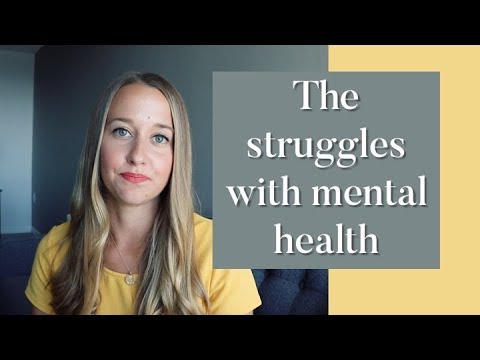
Michelle’s YouTube Channel is one of my favorites in the T1D space, and she has incredible videos on her life with Type 1, including this video below which is one of my favorites:
Michelle is such an awesome member of the T1D community, and I’m grateful to get to work with her with BeyondType1 and glad T1D brought us together.
Questions this episode answers
How was Michelle Lord diagnosed with type 1 diabetes?
She was diagnosed in December 2002 at age 12 in Toronto after a doctor's visit for a suspected bladder infection turned up sugar in her urine. She had an unusually slow onset and barely needed insulin for about a year and a half.
Should I use the Freestyle Libre or the Dexcom CGM?
Michelle wore both for a week and said she personally prefers the Libre most of the time, but recommends the Dexcom if you need alarms. She says the right choice depends on what works for the individual.
How do I start a diabetes YouTube channel?
Michelle says to just start, accept that early videos may be bad, and expect to find your real voice over time. She also recommends connecting with other type 1 YouTubers for tips rather than chasing subscriber counts.
Why is the T1D meetup culture different in Canada versus the US?
Michelle says Canadian JDRF events are mostly limited to the annual walk and an occasional bowling night, unlike the varied meetups common in the US. She and friends organized Toronto's first T1D brunch to start changing that.
Full transcript Searchable, with timestamps
Rob Howe: Welcome to the Diabetics Doing Things Podcast. We've been telling the amazing stories of type 1 diabetics all across the world since 2015, and we have over a thousand years of living with T1D on the podcast. The interviews range from incredible feats to everyday victories, and we celebrate them all just the same. Thanks for listening. And if you want to get involved even further, just send me an email at rob at diabeticsdoingthings.com. This episode of the podcast is sponsored by Diathrive, which I'm really excited to tell you about. And as anyone living with or taking care of someone with diabetes knows, the financial costs of treatment can be extremely high. Diathrive takes some of the guesswork out of that, with hospital-quality testing supplies and testers starting at just $8 per month. No prescriptions, no insurance, just FDA-approved test strips delivered straight to your door. Pay as you go, and if you want to change your subscription, you can. Strips are delivered in just two to three business days from your first order. Replacements are available anytime, and Diathrive has real people working customer service to solve your problems on web, phone, or social media. So if your tester breaks or you need more strips, you can reach out to them and a real person will help solve your problem. Best of all, listeners of this podcast can get their first month free. Just use code DDT, that's D-D-T, at checkout, and whatever subscription you choose, you'll get the first month free. So head to diathrive.com today and check it out. Hello and welcome back to another episode of the Diabetics Doing Things podcast. We are telling the amazing stories of type 1 diabetics from all across the world. And my very special guest from just north of the border up in Canada today, I think a lot of you are going to be really excited to hear her story. And I'm really excited to have her on the podcast. Michelle Lord, welcome to the show.
Michelle Lord: Hi, thanks for having me.
Rob Howe: It's so great to have you. It is an early Saturday morning. And, you know, we're going to talk about all the things that you've got going on. at this part of your life which is just it's mind-blowing to to know how many things that you have on your plate right now um but i'm glad that we were able to make this work and uh and you know you've got some time for us this morning up there goes a blender uh in in my home studio in the kitchen looks like erica my girlfriend's making some breakfast oh that's okay no worries um so um michelle can i give us a little bit of for those people who may not be as familiar with your story or even for those who are just give a little bit of background on you know your background of who you are and and how you join this type 1 diabetes family. Okay so my name is Michelle and
Michelle Lord: a lot of you might know me from my YouTube channel it's just called Michelle Lord my name. I started it about a year ago maybe a bit over a year ago and I wanted to start a YouTube channel for a really long time about type 1 diabetes. So it took me a while, but I'm super happy to be a part of the community. And I've just found the best support possible in this community. It's truly amazing. And yeah, I've had diabetes for 15 years. So it took me a while to join the community and actually find other type 1 diabetic friends.
Rob Howe: Yeah, I think it's interesting because that's sort of part of my story as well. I didn't really actively go and try to make friends or get involved until about 10 years in. It kind of takes you a little while to find your footing, I think. Absolutely. And, you know, everybody's different, too. It's interesting now going and meeting people face-to-face. You know, I meet type 1 caregivers and type 1s who have been around for 50 years and also people who are just recently diagnosed. And I feel like kind of in that sweet spot, like 10 to 15 years, is when you kind of start to really have confidence to go to events or kind of help people or point people in the right direction and get involved in the community.
Michelle Lord: Absolutely. And it's kind of crazy that it takes that long to feel comfortable living with this disease. But it really does because, like, for the first 10 to 15 years, I didn't even want to talk about it. And I didn't tell anyone I had it. It was just kind of something that was really personal to me. But now that I've grown up and I've matured, I realize that it's a part of me and I want to share it. So it's interesting how it takes people so long to come to terms with that.
Rob Howe: It is. And I think, you know, everybody's journey is different. Some people, you know, I'm sure you see this on social media. Some people get diagnosed and they jump right in. And that's part of, I think, their acceptance or part of their grief process is to immediately kind of jump in, tell the story and give back. And I worry about people sometimes because I think you run the risk of taking too much on right away. and I think when you get to that point where you're 8, 10, 15, 20 years in, you're comfortable managing yourself at that point and you can you know really focus on what would I need to what would I have I'm stuttering in my words what would have I needed to know when I got diagnosed right right so how did you you know in those moments and I want to go back and finish your sort of diagnosis story, but when you were making your YouTube channel, what was your inspiration? What did you say, you know, when you really sat down and put pen to paper, what was your
Michelle Lord: mindset? Kind of walk us through it. So in the beginning, like I've always liked creating videos. Ever since I was a kid, I like forced my cousins to make videos with me and they probably hate me for it, but that's what I did. So when I started my YouTube channel, I loved watching YouTube and I loved watching blogs and I thought oh it would be really cool to just watch like an everyday life of someone with type 1 diabetes someone going through the same things as me and just kind of seeing how they live their life and how they deal with the daily struggles so I originally was like I'll do a vlog channel so I kind of tried that out and my first few videos I deleted because they were really bad and then I realized that I like to do more of a mix of like diabetes tips and tricks and blogs so that other type 1 diabetics could watch my channel, they could relate to my content, and they could also find some support and comfort seeing that they're dealing with the same thing as me and also find some tips and tricks in there as well. So I kind of made like a mixed channel
Rob Howe: to help other type 1s. That's awesome. It's interesting how when you start something, you know, and this is again a little bit more philosophical here, but a bigger concept, but you start something, you put pen to paper, you start working on it, and then you find what the real purpose is.
Michelle Lord: Oh, yeah, absolutely. Yeah, I realized after I made my first few videos, I was like, oh, this is why I want to do this. I really want to reach out to others. I really want to help others. And, yeah, and then I figured out my style, and I've been going with that for over a year now, and it's worked out really well.
Rob Howe: That's so great. I think that's such a good lesson for people to learn, And I wish, I don't know how I think I feel like a broken record sometimes repeating because I think people are too worried about if no one watches their videos or if no one listens to their new podcast or nobody reads their new blog before they even start. And, you know, I think yours is a great example of like, you know, you deleted the old videos. No one even knows those will exist. But they gave you the insight to go find your real voice in your real place. So they were worth it.
Michelle Lord: yeah absolutely um you have to just kind of put yourself out there and see if anyone watches i mean like i also had that fear oh what if nobody watches my videos but i mean even if my videos reached a few people and helped a few people that was good enough for me totally agree and i think
Rob Howe: that's the mindset that i started this podcast with that if maybe one person and at the beginning you know there was a real a real fear of like oh well hopefully one person with diabetes will find this useful. And, you know, but I decided that if one person was able to get something from it,
Michelle Lord: then it would be worth it. So absolutely. And your podcast is definitely reached more than
Rob Howe: one person. I can tell you that. Yes, very, we're very lucky now. And, you know, really just the testament to being stubborn and keeping on doing stuff. Yeah, exactly. So I love that philosophy. I think I'm sure we're going to talk a little bit more about your your everyday life and your PhD work as well later on. But let's go back to 15 years ago. Up in Canada, things are a little bit different than in the US. And I've heard some really interesting diagnosis stories. But I also want to talk about the diagnosis experience and what your first few years were like. And then we'll kind of go through the year 10, 12, 15 when you started the thing. Okay, now we're going to
Michelle Lord: give back. Okay. All right. So let's rewind to 2002. So that's when I was diagnosed. I didn't have a very diagnosis. Like I never experienced those symptoms of thirst that people just never had that. So I have no idea what people talk about or what people mean when they talk about unquenchable thirst. So my symptoms in August 2002, I had like an infection in my mouth. It was like, it's really gross, but I had a fungal infection in my mouth in August. And I was just like, okay, that's very weird. And the doctors just kind of brushed it off and thought, oh, it's just something that kids get sometimes. And then in December, I felt like I needed to pee more, but then I, but I wasn't drinking any more than normal. So I just kind of felt like I needed to pee more, but there was like nothing really coming out. This might be a bit too much information, but that's my other symptom. So my mom took me into the doctor's office to check for a bladder infection. So I just gave a urine sample and they checked for bacteria, but then they also checked for sugar just because it was part of a routine test. And they came back into the office and they said, oh, you're having a bit of sugar in your urine. We're going to test your blood sugar. And my cousin has type 1 diabetes. So I knew what that meant. And I immediately started to have a full panic attack at 12 years old because I thought I had type 1 diabetes. So they tested my blood sugar and it was only 10, which is 180 in milligrams per deciliter. So that's not that high. So they were kind of confused and they didn't know if I had diabetes or not. And they sent me for more blood tests the next day. And yeah, I had type 1 diabetes and they caught it extremely early. And I hardly required insulin for a year and a half. I had like a very slow onset, almost like what adults get. It was really weird, but it was nice because I had a very long honeymoon at least.
Rob Howe: Right. I mean, you can never go back to those moments, right? So it's interesting being able to know what your blood sugar was. I was a little bit similar. I didn't have a super long diagnosis. I did have the thirst and the weight loss, but it was probably, the doctor said probably only a month or so. And I know some people live for months, years even, and, you know, it's very touch and go for them at those times. But that's funny almost, right? Yeah, yeah.
Michelle Lord: It was very strange from like the typical diagnosis stories I hear, especially when people are diagnosed as kids. Because I've heard of adults being diagnosed and having a very long process of their beta cells being destroyed essentially. But, yeah, that happened to me too. So it was very – it was strange. But it was a good way to get diagnosed, I guess, if there is such a way.
Rob Howe: Right. It's at least manageable, a little bit less intense.
Michelle Lord: Yeah, absolutely. Like when you're making a bit of your own insulin, it makes it a bit easier to like ease into the disease.
Rob Howe: Yeah, 100%. But I think too, you know, you've got to learn, you know, just as much as everybody else. And sometimes a long honeymoon can make it a little more challenging. It's almost like if you weren't making insulin, you'd have at least, you know, you'd know what to give yourself all the time and it changes.
Michelle Lord: Absolutely. So I had to go into a lot of appointments and every single time I went in, we would up my insulin because I was slowly making less and less. So it was like a year and a half of adjustments before I finally went on my normal dose.
Rob Howe: And do you remember what the message was from your doctors, you know, at that time, what your life was going to be like? What were the things that you were doing? Did you have to adjust any of those?
Michelle Lord: So I was 12, and honestly, it didn't hit me too hard, the diagnosis. Well, I was upset at first, obviously, but I kind of – my doctor was really encouraging, and she pretty much said, you can live a completely normal life, a complete – like, a full life with this disease if you manage yourself. You can do anything you want, except she mentioned two things. She's like, you can't be a pilot, and you can't scuba dive. Like those are the two restrictions she gave me. But otherwise, she said I could do anything I wanted. So she was really encouraging.
Rob Howe: I think that makes such a big difference. I hear so many stories of people whose doctors are either just maybe their bedside manner isn't the same or isn't what they needed or not as charismatic or not as knowledgeable about life with type 1. Yeah, yeah. And that can really, you know, break your relationship with diabetes or set you off on the wrong path right from the start,
Michelle Lord: at least emotionally. Yeah, absolutely. I've heard of many people having horrible endocrinologists that pretty much just send them home with some syringes and insulin and say, here you go,
Rob Howe: like, good luck. One of the stories I like to tell was from an earlier, one of the very first episodes of the podcast. And the girl was diagnosed and they gave her and her parents a Spanish DVD of how to treat your diabetes, but they didn't speak Spanish. So I had to learn in Spanish how to speak how to treat their her type 1 diabetes oh my gosh that's awful I can't imagine so you know it sort of runs the spectrum here in the U.S. so you know depending on where you are location is a big part of that I was diagnosed at Children's Dallas which is a big children's hospital and it's got an awesome endocrine wing but I didn't know that at the time it was just you know just part of part of life so until I started to get involved the community and learned that there were people who were from small towns that their general practitioner diagnosed them and didn't know anything about type 1 diabetes and told them they were going to die when they were 30. Oh my gosh. You know, it's just, you know, it makes you feel gratitude on some level, but also just like, how do we do better about education overall on practitioners?
Michelle Lord: Yeah, yeah, that's awful. And I mean, like, I've met with a lot of GPs that also have no idea what they're talking about when it comes to type 1 diabetes. And even in the emergency room, like the last time I went in, my doctor was just like completely out of it with respect to type 1. And it was the nurses that knew everything. So, yeah, there's definitely something wrong there.
Rob Howe: Do you, if you meet a doctor and this is like, you know, maybe not the right context, but you say, hey, I've got a YouTube channel that could like really help you get up to speed on all the latest and greatest stuff.
Michelle Lord: I've never done that before. I don't know if I feel comfortable telling that to a doctor, but it might be insulting. But I mean, I should if someone really doesn't know what they're talking about. Yeah.
Rob Howe: Yeah. I mean, obviously, you never know. I think it's always interesting when, you know, there's a group of like power advocates, right? And people who are so involved in day to day life with type 1.
Michelle Lord: Yeah.
Rob Howe: You know, and I wish I wish that there was a way that, you know, when a doctor or a GP or whoever met them, that they'd know like, oh, yeah, this person thinks about this all the time and is familiar with all of these different ways of treatment. So just, you know, come with that in mind or whatever the case is.
Michelle Lord: Yeah, yeah, I know. Yeah. It's pretty crazy.
Rob Howe: so for you you know now fast forward 15 years um you know a lot's happened then did you have any you know times when you were planning or living your life maybe going to college starting a starting a job you know you're obviously you're working on your phd where your type 1 was at least you know there was either a challenge that you had to overcome or maybe not ideal
Michelle Lord: circumstances that stand out? Yeah, definitely. So I haven't had a job yet because I've been in university for nine years. So hopefully soon. But when I was thinking about doing my PhD, my type 1 diabetes actually really did stand in the way. And it wasn't a matter of like, can I manage this while I'm doing a PhD? It was actually financial because I'd been in school for so long and like I didn't have coverage through my parents and I had a little bit of coverage through school like they provided some insurance it just really wasn't good like they didn't cover any CGMs and like just very minimal coverage so I said to my my supervisors who are going to supervise me for my PhD I said look like I have type 1 diabetes and it's so expensive like I don't know how I'm going to afford this as a PhD student because you get paid like hardly anything and they were like really not happy to hear that because they said that I had potential to do a PhD and that shouldn't hold me back so they were really encouraging and I'm so glad that I talked with them because they really encouraged me to apply for scholarships which I did and I put in a lot of effort and I ended up getting a couple scholarships and doing my PhD so I mean I'm so lucky I had such supportive supervisors because otherwise I feel like I maybe wouldn't have done
Rob Howe: it. And that's interesting because they're not type 1, right? They just saw the challenge and were like, you know, this shouldn't be a reason that you hold yourself back or that you, you know,
Michelle Lord: don't go chase the dream. Yeah. Well, my one supervisor, his daughter is a bit older than me and she's doing her PhD and she lives with a chronic illness as well. Not type 1 diabetes, but something else. And he gave her as an example. He said, look, I have my daughter. She struggles so much, but she's in her PhD. She's thriving. She loves it. I don't want to see you not do that because of a disease that you have. God, that's, you know, that's strong, right?
Rob Howe: That message right there in itself, boil that down. You know, there shouldn't be anything that
Michelle Lord: you let hold you back. Yeah, absolutely. And I mean, it's not easy doing a PhD with type 1 diabetes. I mean, I don't want to say like, oh, you can do anything with type 1 diabetes. Like, you can, but it does, you still have limitations, unfortunately. That's just the way it is. And I mean, I've been slowed down a bit because of it, but I just accept that and I keep going as best
Rob Howe: as I can. Yeah. I mean, obviously the, the, the headline that was given to me when I was diagnosed was you can do anything as long as you take care of your type 1. Yeah. So, you know, there's a lot that goes into that, a lot to unpack from taking care of it. And sometimes it means slowing down, going a different pace, uh, having a different plan than somebody without it. Cause that, you know, ultimately it adds an extra step to everything. Yeah, absolutely. So like I just go
Michelle Lord: to slower pace and I'm fine with that and it's working out well. So as long as I get my PhD in
Rob Howe: the end and I'm happy, that's all that matters. Yeah, exactly. And I think that's a place where you know, getting to that place of maturity and acceptance with your type 1, I mean, it takes a lot of work to get there. It's not something that just happens overnight.
Michelle Lord: Definitely not. No. It takes like 15 years apparently for me.
Rob Howe: You know, in that time, obviously, you know, you mentioned CGM a little bit earlier. You know, since 2002, I think, you know, we're living in this amazing time where we have technology on the diabetes management side where we have pumps and we have CGMs and we have glucometers that are, you know, improving every single year. but we also have this kind of social media aspect that has connected everybody where we're really living in this like type 1 diabetes renaissance where all of a sudden people are open about their chronic illnesses and they're helping other people and people are following and getting around and you're a big part of that um do you what technology or and and how has social media helped you and made it made an impact for you in the last few years just a reminder that this episode is sponsored by my friends at Diathrive. They're making test strips convenient, accurate, transparent, and affordable with prescription-free, insurance-free subscriptions. Use code DDT at checkout to get your first month free at diathrive.com.
Michelle Lord: Well, yeah, like I said earlier in the interview, I've never really had a connection with other type ones, well, except for my cousin, but we didn't really talk too much about it. So yeah, it's really connected me with people all over the world, which is something I never thought would happen. When I first went on Instagram in 2013, that's when I got my account, I was just shocked as to how many type 1 accounts there were. I had no idea. And now I would say there are thousands and thousands of accounts. It's incredible how many new accounts there are every day from type 1 diabetics. And I think truly the best support you can find is from other type 1s. And it's amazing that you can just go on your phone and you have thousands of type 1s at your fingertips. and then there's apps like the Beyond Type 1 community app which is also amazing and such a good support. It's just been incredible to see people form friendships. I know you are really close with a lot of people from all over the U.S. and you guys get together and you hang out and it's just so cool to see that everyone has made that connection with each other over Instagram.
Rob Howe: It is. Hashtag diabetes has done so much for so many people. It's crazy.
Michelle Lord: Yeah, absolutely. It's great.
Rob Howe: It is. And I think, you know, to have people, you know, for me, I was around and always in like bigger cities. So there were if I really looked, there was pockets of diabetes community around me. But for people who live, you know, in remote areas, in small towns, in countries where they don't really have as much going on in the community or as many resources as we have here in the U.S., For them to be able to connect with people all the way across the world that know exactly what they're going through, that's such a cool thing. And I think it's a story that doesn't get told outside of the T1D community as much, but we're working on that. And I think having channels like yours, podcasts, I love when new accounts sprout up because we need more people so that whenever another person is diagnosed, they can go and look and say, hey, I'm like this person. I want to follow them.
Michelle Lord: Yeah, absolutely. I get so excited when I see people start a YouTube channel that are type 1 diabetics. Because when I started, there weren't too many of us. And now I've noticed more and more people are kind of going into the YouTube realm, which is really nice to see. Because at one point, I thought it was just Instagram. So it's nice to see people kind of spreading out. And I feel like YouTube does reach a few more people than Instagram does just because it's a search engine. So those that aren't on Instagram might search into Google like, oh, how to insert a Dexcom G5 and then YouTube videos are going to pop up. So I feel like it has a bigger reach to it.
Rob Howe: I think so too. And I think I do want to have this on my list of things to make sure that I do on this podcast is to thank you for your support of my 30-day over-the-counter challenge earlier this year. because you commenting and watching videos and just in and sharing and being involved in in that process was super encouraging for me and also just great to have those conversations because YouTube is different like it's it's shelf life is so much longer like you said it's a search engine people are looking for information and you know when they can get those questions answered you know that's you know that's so big for them and some of your videos like you said are just simple quick how to's of how to get started or how to solve a problem or how to install a piece
Michelle Lord: of technology yeah yeah absolutely I had such a big reach and and I loved your 30-day challenge that was really really cool to see although I feel bad because like it was really tough on you but it was it was a learning experience for so many people and like I said I love when people put themselves on YouTube because it has a bigger reach so I feel like it would be nice if we have more and more of us join on YouTube and kind of start the YouTube type 1 diabetes community
Rob Howe: as well. Totally agree. Yeah. I think, um, I have another couple of YouTube projects in the works, uh, for the rest of this year as well, as soon as I get a minute or get organized, which is my biggest problem sometimes with my diabetes stuff. Um, but yeah, because I think YouTube, obviously, whenever you look at the greater scheme of things, like you said, worldwide is bigger it's just uh it's just a different platform that people use to get information and the more good diabetes information that's on there the better off we'll be
Michelle Lord: absolutely yeah yeah definitely it's a it's a very different place youtube whenever people contact me asking me about starting a channel i'm very encouraging but i do warn them it's a different world out there on youtube you get like some very interesting comments like once you hit past I think like 1,000, 2,000 subscribers, you get more people watching and you're going to get the negativity and you're going to get the judgment and it's just all part of YouTube. But in the end, it's worth it. And I feel like you just kind of get used to those comments and all the negative comments that come along with having a YouTube channel. Yeah, I think, you know, people
Rob Howe: are just are more used to negativity on YouTube, maybe that's like that's their sole existence. there similar with like reddit you're just gonna get more like more thumbs down and and like uh down votes of comments it's just like i think having the option to dislike something just gives
Michelle Lord: people more confidence i don't know oh yeah and it's more anonymous so instagram you don't get the hate you don't get all that well usually you don't because it's more open and people kind of see who you are youtube is so anonymous you have no idea who these people are they're so I don't know they're like incognito so they say whatever they want and I find the worst judgment on YouTube is actually from other type ones it's very interesting but type ones really judge each other unfortunately and that's totally not my motto I always say on my channel like we should be supporting each other and like we're all in this together so let's let's lift each other up instead of bringing each other down by judging if we're on a pump or not or if we're on a certain CGM or if we're on a certain diet because I mean I get those comments all the time on YouTube like how can you eat carbs you're killing yourself and I don't know everyone has their own thing and I really try to mention that on my videos like let's not judge each other we all do our own thing let's do what works for us and you do you then we'll be good right but yeah that's that's another element of YouTube a more negative side but overall I would say it's a very positive and awesome experience
Rob Howe: what was the biggest challenge for you when you know you reach that point where now people who are being negative are starting to reach out or giving you feedback or whatever the case is or was there one one instance that really stood out maybe that upset you or that just kind of informed how you respond to negativity going forward anything that stands out
Michelle Lord: yeah so when I posted I posted a video in the fall about the Libre versus the Dexcom because I wore both devices for like a week and I compared them and at the end I gave my own personal opinion I said I prefer the Libre for right now because of this and this and this but then at the end I said of course if you need alarms Dexcom is your your obvious choice and I tried to make it not biased But I got a lot of hate on that video because I personally decided to use the Libre most of the time. And just like really harsh messages from people and comments. And I learned that the best way to respond to hate on YouTube is just kill them with kindness, right? Like respond in the most kind way possible and be like, oh, thank you so much for your opinion. Like, you know, I didn't mean this, but I really appreciate it. and just responding so that you show that you appreciate their input and kind of like giving your reasoning for things but not being, I don't know, defensive. Being defensive is the worst. That's the worst way to deal with hate. So I learned a lot from that video. And now I find whenever I get a negative comment on YouTube, I try to be like as kind as possible to these people just to kind of show them that like I'm not trying to attack them or anything
Rob Howe: that like I value their opinion. That's just a great rule I think in life what a great perspective to have because people are going to do what they're going to do it's it's hard to stop them from you know from those types of reactions but the way you respond is what you're in control of and that's really great it's a really awesome way to look at those things. Yeah and that way like it
Michelle Lord: doesn't spark an argument too right like if you respond in an aggressive way it's just it's not going to go well, they're going to keep responding because these people are in it to win it. The YouTube commenters are pretty harsh. It's just best to end it as it is and be like, okay, thanks for your opinion. I appreciate it. Then that's it.
Rob Howe: This is a little bit of a sidebar, but the first YouTube video I ever uploaded on my personal channel, I think I put up in 2006. and it was just because YouTube had become able, I was now able to upload videos and I wanted to do that and I was in high school.
Michelle Lord: Yeah, that was a long time ago.
Rob Howe: A long time ago. We're talking 12 years now. It's still up, this video. Is it? There's a scene from The Office and it's on my personal channel, which I will not plug because it's just full of old videos like this.
Michelle Lord: I really want to find it now.
Rob Howe: But the video is basically me singing a song that was on The Office and like i think i think it was like season three of the office it gives you any idea how long ago this was um and i i was doing it badly and i wasn't really trying and the audio was a little bit off and we had to line it up and when we uploaded it because this was you know the stone age of video uploads um so anyway i left it up and i had like it like the name of the video is song from the office and so people got on it and like it for some reason got a bunch of views because I think it was like the next day after the episode aired, we uploaded it. So it was indexed as like the first video online about that. Oh my gosh. So it has like, I think 10,000 views now probably over the years. And everyone commenting is like, this is the dumbest thing ever. Why is this ranked so high? And it's great. It's just a lot of really hilarious. Anytime I need to like check my ego, I always go read the comments in that video.
Michelle Lord: Oh my gosh. Yeah, I know. They're harsh, right? They are.
Rob Howe: They are. And like poignant too. It's like, Oh, that's true. And that hurts.
Michelle Lord: Yeah. Oh my gosh. That's so funny. Now I'm going to search for this video.
Rob Howe: I think I'll, I'll just send you a link to it to keep you from having to find it. Okay. Okay. So let's talk a little bit about T1D life in Canada. I know you're, you're in the big city, right? So, yes, but even there, you guys are missing a little bit of the community aspect that we are starting to, I think get more across the board here in the U.S.
Michelle Lord: Absolutely. We are really lacking in that. And we have major FOMO up here. Whenever we see you guys doing stuff, we're like, oh man, like how come we don't have any of this? But I feel like there's a few of us here in Toronto that are starting to see like, you know what, we can do this ourselves. We're actually hosting our first T1D brunch next weekend, which I'm so excited for. It's like the first meetup in Toronto that we're doing. so we are finally doing something up here but I feel like there's a real lack of interest in social media like meetups and all that with our charities up here like JDRF in Canada is very different from JDRF in the United States up here it's very like classic JDRF the walk and then we have like a bowling night or something once a year and that's it that's all we do so I mean we don't have those meetups you guys have they have nights where you can go and you can meet other type ones but all you do is you go into a room and you sit in a circle and it's a bunch of people like complaining about living with diabetes or at least that's what I found it was it wasn't like a happy event where you connect with people so we're we're really trying to like change that up here at least And I know you've talked with Abby David. So I'm pretty good friends with her. And we're like thinking of starting more regular meetups in the future. And then there's someone up here that is going to be doing a photography exhibit. And she wants to kind of start a social media thing with JDRF. And she's been kind of putting that in the works.
Rob Howe: Is that Raquel?
Michelle Lord: Yeah.
Rob Howe: Okay, great. Yeah, I know her too.
Michelle Lord: Yeah, so there's a few people up here who are wanting change and wanting to do something and actually doing something. So I think we're going to see a bit of a change here in Toronto at least. I don't know about the rest of Canada, but I'm hoping like JDRF is going to see kind of what's going on in the States. I'm hoping that they see what's going on and make some change and get some more events going on up here.
Rob Howe: Yeah, I think all it takes is a few of you. And I think the three of you guys that you just mentioned, you three ladies, I think if you guys just did a meetup and each of you brought one person, that would be as many people as we have at a lot of the meetups around here sometimes, right? It always looks like a bigger deal than I think it actually is. We got a lot of, when Erik Douds came here from the I Am Diabadass, came to Texas for the last few weeks, we've had a bunch of meetups with him and trying to go do activities. And we were going to go skydiving, but it was too windy. I saw that.
Michelle Lord: It's too bad.
Rob Howe: It was a super bummer. But we still just, we had dinner. We went and hung out. We had, you know, we had happy hour. We were at different events. And it was just like, you know, we're just hanging out. It's like friends. It was a great thing.
Michelle Lord: yeah exactly I like that I like that you just hang out your friends you can talk about diabetes but you can also talk about other stuff because at these support groups that I was mentioning with JDRF you go into a room sit in a circle and you complain and like just talk about diabetes the whole time and it's nice to to have a type 1 diabetic friend but also have another element to the friendship besides type 1 diabetes I mean obviously that's the biggest thing that you share in common but like I found with Abby we met up initially because of our type 1 diabetes but we have so much in common I feel like our personalities are just so compatible and I've
Rob Howe: made such a wonderful friendship through that yeah and I think it's not the diabetes that brings you together right yeah exactly it's the person right you meet the person you're like wow like this person is dealing with the same things that I am they really know me and they don't have to ask about these things because they already know what's going on. Yeah. I think that type of connection and type of friendship, I underestimated how much I needed in my life early on. And, you know, now I get to have it. I get to have 8 a.m. phone conversations with people in Canada on Saturday with, they can relate to me in ways that other people can't. Even people that I've known for a long time and are my really close friends, like they'll never understand what I go through from a diabetes perspective. But it's a lot easier for people with diabetes who already understand that to talk to me about easy stuff in life, right? And all the
Michelle Lord: things that we like. Yeah, absolutely. I completely agree. And I have had the same thing as you. I didn't realize how much I needed it until I had it. And then I was like, oh my gosh, how have I gone so long without having a type 1 diabetic friend? Well, and I think, you know, I underestimated
Rob Howe: how much it would improve my my life do you have any you know specific examples maybe even you know just with abby or raquel or whoever up in canada what's what's an example of how being more outspoken
Michelle Lord: with your diabetes has improved your life like outspoken like you mean in terms of like with a
Rob Howe: friend yeah in terms of just being involved in the community with the youtube channel with instagram maybe just one impactful moment that stands out um okay so for the youtube channel i guess i'm just
Michelle Lord: really surprised with how many people i have reached like i've made friendships not well through not through youtube but instagram but youtube i i've reached a lot of people kind of all over the world and it's been so rewarding to get messages from people who say i just got diagnosed i've been in complete panic and i watched your video and that's the only thing that's made me feel better. Or, or someone messaged me the other day and said, my six year old daughter watches your video, your videos every night before she goes to bed. And just hearing stuff like that, that my videos are actually making a difference and reaching out to people is like, this means the world to me. So I think that's like the most impactful thing that's happened through the diabetes community for me.
Rob Howe: Yeah. I mean, just hearing that, right. Just, um, you know, I don't know how to how to explain it, right? It's just like, Hey, this means so much to me. And it's true. You can't put a price on that, right? You can't, you can't all that effort and work to put into those, uh, to those videos to, you know, thinking and all of the time that you don't have that you put into it, uh, when it's, it makes it worth it. Right. Absolutely. Yeah. It's a hundred percent
Michelle Lord: worth it when you hear like that you're actually making a difference in someone's life and you're, you're helping them cope with something they've just been diagnosed with. I mean, it's amazing. And it's just such a great feeling to know that we have the ability to reach out to people now
Rob Howe: in this day and age. We really do. And it's a lot easier than you think, right? It's just a quick outreach and you can touch people's lives and just meeting them at the right time and having that the answer to a question can really make a big difference.
Michelle Lord: Absolutely. Yeah, and you're right. It is a lot easier to start an Instagram account or a YouTube channel. I encourage anyone who's listening to this to start a YouTube channel. It's so easy. And even just a video of you talking about your struggles with diabetes, someone else can relate to that. And that might help them out, might help them through a tough day. So, I mean, it's super easy to do.
Rob Howe: Definitely. Maybe we, I'm not sure if you've done this on a video or not, but I'm sure you get questions a lot about, you know, how to get started with a YouTube channel around diabetes. Maybe that's a good video idea. Who knows?
Michelle Lord: Yeah, actually, yeah, I've never thought about doing that. That is a good idea, just kind of how to start up a channel. Yeah.
Rob Howe: Yeah, people ask me all the time about podcasts. my default answer is just do it and you know if you and commit to doing five episodes and just assume right off the bat that no one's going to listen to it don't get caught up with numbers just do it and if you like it keep going I totally agree with that and I've had a few people message
Michelle Lord: me on Instagram saying like I really want to start a YouTube channel like what do I do like should I do it and I always say 100% yes you should do it it's so rewarding and I always like kind of give them some tips I'll be like oh I use this editing software I use this for my thumbnails kind of just starting them off with everything but but yeah I really really encourage people to try it out and same with podcasts too I mean like it can reach so many people it can yeah and you never
Rob Howe: know um you know people like consuming things different ways uh there's people that like podcasts there's people that love youtube videos there's people that read blogs whatever your thing is I would encourage anybody listening who wants to get involved or wants to know how to start the obstacle is the way get started and you'll figure out what to do along the way yeah it's a
Michelle Lord: learning experience I mean you're never going to start off with like the perfect podcast or the perfect video you have to learn how to do it and unfortunately you make mistakes along the way but you learn for them and your content becomes better and better yeah I refuse to go back and listen to
Rob Howe: like my first five episodes because I know how terrible I am on it so uh it's just like you said you deleted your first youtube video I keep the podcast there because they're episode one is super important but yeah um don't make me go back and listen to myself I'm sure it was fine my my first
Michelle Lord: video was like kind of cringeworthy it was a vlog and it was just like I didn't know how to hold the camera it was shaky and like there was so much wind it was just bad so I'm glad I deleted that
Rob Howe: one but now you don't have those problems and and you because you learned along the way see that's
Michelle Lord: exactly yeah part of the journey yeah yeah and I've also like contacted other type 1 youtubers for some tips along the way like I've learned from other people as well and I find um the the type ones that are on youtube are extremely supportive of each other we're all like really um well in contact and we help each other out and we give each other tips I mean there's no competition at all on YouTube. We're all excited to have new one, new channels starting. And that's, that's
Rob Howe: another thing I think that's interesting. And we kind of live in this world where like of competition where everybody wants to, you know, you have a scoreboard, right? You have followers or you have views or subscribers or whatever the case is. Um, and we all, I think are really critical of ourselves at first and we want, um, you know, want what somebody else has or whatever the case is. But I think that's why when we were talking earlier about if we can just help one person, if just one person hears this, it's worth it. And I think that's where, you know, it's a good way to let yourself off the hook of chasing that competitive angle. Right. There's so many people who use YouTube. There's so many people who use Instagram. There's so many people around the world with type 1 diabetes and they all like different things and they're all different people. so I think having the option for me like like you said earlier every time I see a new Instagram or a new YouTube account pop up I'm encouraged because I know that there's somebody out there that will relate to that person and they didn't have a place to turn before yeah absolutely yeah
Michelle Lord: you should see it as a good thing rather than a competition um and like I know some people are really into followers and like I have to admit I was kind of like with YouTube at first I was like oh I have another subscriber I have another subscriber but I mean you can't start off anything just because you want popularity you should be doing doing it because you love it and then if that comes if subscribers come along with it then good but if you're starting a channel or an Instagram account or a podcast just for viewers and just for numbers then you're not
Rob Howe: starting it for the right reason totally agree yeah yeah keep the keep the reason uh and you're going to have to know what the reason is because there's going to be a day where it might start out being fun but it's going to become work really quick so you got to have that real true reason it always helps definitely um i want to talk about uh you know a little bit away from social media and youtube uh to two really important things that are going on in your life right now that are probably taking up a lot of time and energy uh one you mentioned already your phd program and the other you're getting married soon so you're planning a wedding how do you do it? how do you manage all this stuff?
Michelle Lord: I've had a lot of people message me being like how do you do a YouTube channel when you're doing a PhD and getting married I kind of just film whenever I have time but yeah it's challenging right now we're doing a lot of planning stuff and we're kind of coming near the tail end of planning but I mean my days are packed that's pretty much it I go to school and I work and then And at night, I'll either do YouTube stuff or wedding planning stuff. And it's hectic and it's busy, but it's fun. And as long as I'm enjoying it, that's all that matters. But yeah, the PhD is definitely busy. And I'm trying to finish it up in the next year too. So I'm getting married and finishing a PhD in the next year. And it's a lot, but I'm doing it.
Rob Howe: It is, but that's good. And that's a good way to live life. Sometimes things are going to be overwhelming. They're going to be tough. They're going to be hard to deal with. You just got to do it.
Michelle Lord: Yeah, exactly. I'm living with type 1 diabetes. I'm managing that and I'm doing this. It's a struggle, but it's doable. Like we said at the beginning, you can do anything with type 1 diabetes. It's just at a different pace sometimes.
Rob Howe: I want to talk a little bit about that. and I rarely steamroll interviews and put my own thoughts in the episodes. But living with type 1 diabetes is not easy. It's also like running a marathon. You might have 10 miles where you're just crushing it and killing it. And then you might get a rock in your shoe or something, and you have to stop and take the rock out or whatever the case is. That's a bad marathon example. I've never run a marathon. But, you know, people get really critical of themselves and they think that just because they're having a bad week or a bad, you know, stretch of time or having a difficulty getting their numbers under control or adjusting to a new job or whatever the case is, it's okay. You're going to have those rough times. This is not an easy thing to manage.
Michelle Lord: No, not at all. yeah everyone needs to know that they're like at some point in your life it's impossible to like go through your life with type 1 diabetes and not have any roadblocks it just happens like like for example like the beginning of the year I was in DKA I've never been in DKA before like out of 15 years of having type 1 diabetes and it happened and it set me back I was off school for like a week because I just wasn't feeling well after and that was a roadblock didn't ever expect that to happen but there it was it came up and I just kind of dealt with it and I was like you know what this is part of life this is part of the disease that I have I'm going to take a week off to myself get better and then I'll get back into the PhD and people will understand because everyone at my school and my supervisors they understand that I deal with a chronic illness so
Rob Howe: I mean it's not a big deal I have one question that uh that I ask on every episode actually I I think I may have missed one along the way, but I'm not going to go back and figure out which one I missed it on. And context is important. So I'm really interested to hear your perspective on it. The scenario is you're in the airport and they're about to close the door to your gate. So you've got to get on the flight. Whatever's on the other end of this flight is super important. You can't miss it. But you run into somebody who's either been recently diagnosed or is struggling with their type 1. Maybe they recognize you. Maybe it just comes up in conversation. Maybe you recognize them. What's the one thing that you tell them in the 30 seconds before they close your gate?
Michelle Lord: Oh, my gosh. I would say get involved in the community. Find a friend. That would be my best advice because the support is so important to have. I'd say get on Instagram. Get on the Beyond Type 1 app. Get out there and find someone to talk to. that would be my only advice I wouldn't want to miss that plane so I mean it would have to be
Rob Howe: quick advice right right some people do just say blatantly they're going to miss the flight they just reject my rules but I appreciate you doing giving a great answer which is very similar to my own because you know I didn't realize how much better my life with diabetes would get once I had the community aspect once I added people who I knew who also dealt with the things that I deal with and would be there to give me a pat on the back or celebrate a win or, you know, be there when I needed them. So totally agree with that.
Michelle Lord: Yeah. Good. I'm glad we're on the same page and I'm glad that you wouldn't miss the flight because I mean, what a waste of money.
Rob Howe: Yeah, exactly. You know, and just hassling to try to like get on another one afterwards. It would be the worst thing.
Michelle Lord: Yeah. No, not for me.
Rob Howe: Michelle, thanks so much for coming on the podcast. I really appreciate you making time out of your crazy busy schedule and just an awesome interview.
Michelle Lord: you oh thank you so much for having me it was a lot of fun talking with you and I really appreciate all that you do for the diabetic community so thank you oh well I appreciate it and it's uh
Rob Howe: one of my favorite things and I'm gonna keep doing it so that's you know when we talked about sometimes it becomes work it's work that I enjoy and um you know getting to interact and hang out with the the t1d community is my favorite favorite thing yeah I love it too it's so awesome um I'm sure everybody knows how to get in touch with you if they need to find you online but uh let's plug your instagram and youtube channels here and um so that we can include them in the show notes
Michelle Lord: sure so my youtube is just my name michelle lord so if you just type in michelle lord diabetes it will come up right away and then my instagram is mich so m-i-c-h-e underscore low l-o and that's it
Rob Howe: well we will include those links in the show notes and then tag you obviously in social media when we launch this episode uh you did remind me i've got to get abby's episode published so abby um you know i'm gonna get hers published before yours just so that uh she doesn't feel any fomo from us talking about her oh okay that's a good idea great well um i appreciate you coming on again and thanks so much for all you do and uh you know your voice in the t1d community is super unique and special and I appreciate it and grateful for the time.
Michelle Lord: Oh, thank you so much.
About Michelle
Michelle Lord is a type 1 diabetic from the Toronto area who runs a YouTube channel under her own name covering diabetes tips and daily life with T1D. At the time of this conversation she was finishing a PhD and planning her wedding, and works with Rob on the Beyond Type 1 Global Ambassador Council.