

Diabetics Doing Sex Work with Andi
Episode summary
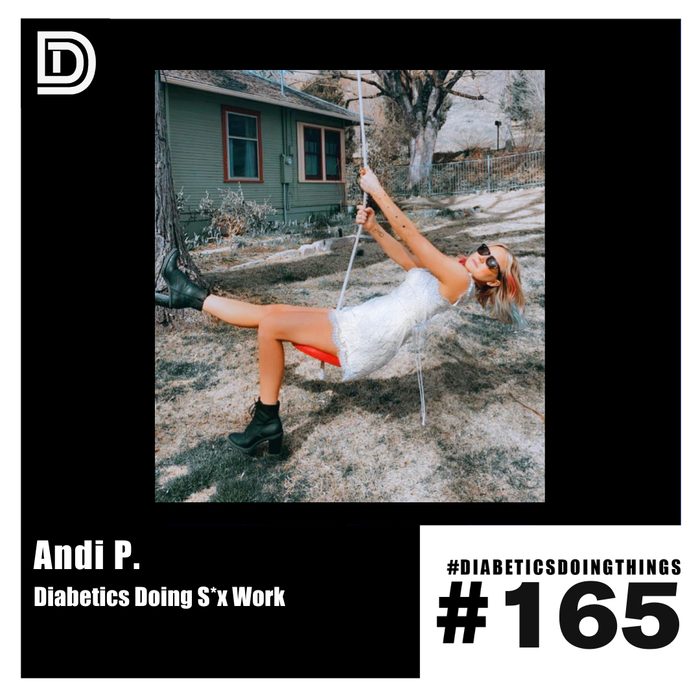
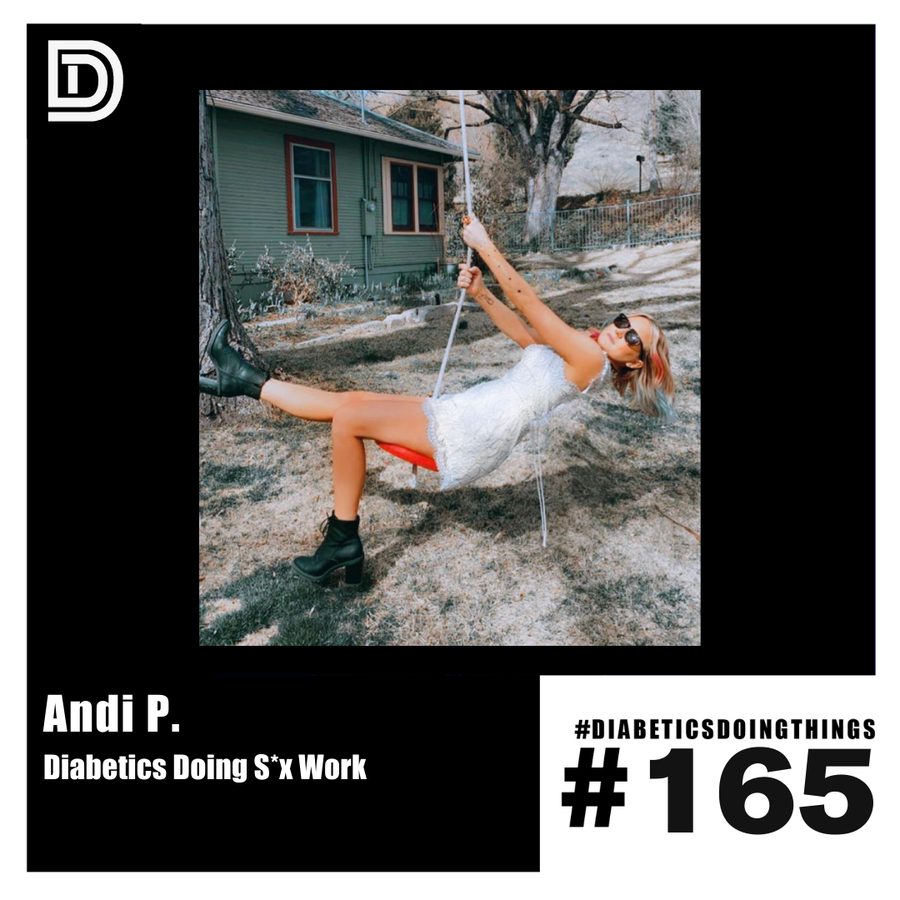
Andi, diagnosed with type 1 diabetes at age eight in Idaho, describes growing up with protective parents, limited local diabetes care, and a Mormon upbringing that left little room to talk openly about her body or her illness. After she left the church at 18, her father quietly kept her on his company insurance for years, until a 2019 cost review and a tangled Medicaid paperwork issue left her uninsured in 2020. A DKA hospitalization during quarantine left her with a bill near fifty thousand dollars. To afford insulin, she started selling nude photos online, eventually earning enough to cover her own supplies and to fund insulin for another diabetic sex worker and donations to a local diabetes camp. She also discusses online harassment and keeping the work hidden from most of her family.
Key takeaways
- Andi says her father quietly kept her on his company insurance for years after she left the Mormon church at 18, until a 2019 cost review got her dropped.
- A tangled Medicaid paperwork issue left Andi uninsured during the pandemic, and a DKA hospitalization left her with a bill near fifty thousand dollars.
- Andi started selling nude photos online to afford insulin, then grew it into steady income and began covering insulin costs for another diabetic sex worker and donating to a local diabetes camp.
- Andi says she handles online slut-shaming by calling out critics and blocking them, and that the criticism has made her care less what people think.
- Host Rob Howe and co-host Eritrea tie the conversation to their own religious upbringings and to how online diabetes communities normalize hard days instead of only inspirational ones.
Show notes
Andi (@andi_archive on Instagram) joins the pod for the first time!
Andi, Rob and Eritrea discuss, among other things:
Andi’s diagnosis story
Andi’s struggle to get insurance coverage after her family dropped her from their plan
Andi turning to sex work as a profession
Andi using her extra funds to support other Diabetes Sex Workers to help meet their monthly goals
Dealing with comments from people online
How empathy is the answer to really understanding people from different walks of life
Questions this episode answers
Why did Andi turn to sex work to pay for insulin?
Andi lost her health insurance in 2020 after a Medicaid paperwork mix-up tied to unfiled taxes, and a DKA hospitalization left her with a bill near fifty thousand dollars. Selling nude photos online let her cover her monthly insulin costs.
How does Andi help other diabetics with her sex work income?
Once Andi meets her own insulin fundraising goal each month, she donates extra money to another diabetic sex worker she calls Kay, or to the diabetes camp she attended as a child if Kay has already met her goal.
Does Andi face backlash for doing sex work?
Yes. Andi says she gets slut-shamed online and worries about family members and future employers finding her account, but she responds by calling out critics and blocking them.
What was Andi's diagnosis experience like?
Andi was diagnosed with type 1 diabetes at eight years old in Idaho, where she says diabetes education and specialist access were limited, and her parents became highly protective afterward.
Full transcript Searchable, with timestamps
Rob Howe: Well, what's going on, Diabetics Doing Things? Welcome back to another episode. I've got Eritrea with me on the mic here. What up?
Eritrea: Yo, yo, yo, Eritrea.
Rob Howe: Eritrea, wah, wah, wah. We got to get you like a radio button.
Eritrea: Eritrea, wah, wah, wah. Eritrea in the morning. My God, please stop.
Rob Howe: Okay, sorry. I've wanted to do radio sound effects my whole life. It's Women's History Month. It sure is. I want to turn the mic over to you because you concepted this episode from start to finish.
Eritrea: Okay. Well, it is with Women's History Month and we, I, so I was on Twitter randomly, actually. I'm just going to be honest. I was on Twitter and I was just scrolling, doing my regular consuming way too much content thing. And I saw a tweet that someone else had retweeted about this girl who was trying to raise money to get insulin. But she wasn't just like, hey donate to my fund she was offering a service for her insulin and I thought that that she was incredible I was like wow it's so amazing that this person refuses to get you know screwed over by the system and is doing anything within her power to provide for herself and I think that there's so much man there's so much power and taking owner ownership of your own body and just being like no I'm not I'm not gonna let this take me down I'm gonna do whatever I can to survive and I'm gonna provide for myself and then I noticed that that person was providing for other people And I just, women are so amazing. And so I just wanted to be able to open the platform and to tell a story that I had never heard anybody else tell before, a story that I feel other platforms stifle and maybe question or they file it under this taboo. But I think it's important for us to really dig into sex work because being that it's Women's History Month and being that sex work is one of the oldest professions ever known to mankind. Why not? Well, and I think we talk
Rob Howe: about this on the pod, but Andi comes on and discusses sex work in the diabetes community and how she came to that point. But one thing that I remained rooted in the entire time we were talking about this concept is what I've said on this podcast all along, which is your story matters. And it doesn't matter if one person hears it, it could be the story that they needed to help them survive, help them cope, help them find some sort of inspiration. So I think that this episode embodies that 100%. And I'm super excited to have the opportunity to share Andi's story. So if you want to tee it up, or I can come and write at you.
Eritrea: I mean, you can tee it up. I just want to say one more thing. For those of you who are listening to this, I know that our network is very, or the people who listen to our podcast are very conservative and their parents and some of them are people who were just diagnosed. And I just want you to keep an open mind. Everybody's struggles are different and our diabetes journeys are all, while they sound similar, very unique. This story is one that I can't tell you enough how grateful I am for her to open her life and her heart and everything and just really put it on the table for us to listen and consume and think about and conversate about later. So while you're hearing this, really, I implore you to think of Andi as a person, as your friend, as your neighbor, and what you would do for someone that you loved and you cared about before you even think about judging her.
Rob Howe: Yeah. And I think it comes back to empathy and we are big on that here, uh, not only for others, but also for ourselves. And, you know, I think, uh, walk a mile in somebody else's shoes. And this is an opportunity to do that and hear about trauma, hear about overcoming obstacles and hear about people with diabetes doing whatever it takes to live the life that they want to live. Yeah. All right. Well, it's coming at you. Enjoy this interview with Andi. Welcome back to another episode of Diabetics Doing Things. It is a Friday afternoon in spring 2021, and there are three of us on this call. We are going to have a fun time. I'm super excited for this episode. We're telling the amazing stories of people with diabetes from all over the world, and we're specifically focusing on access this year. So we're going to talk a lot about that today for sure. Eritrea is here beside me and my very special guest. I'm excited to introduce you
Andi: to. Andi, welcome to the show. Hello. Thank you. I'm so happy to be here. I'm so excited.
Rob Howe: I am as well. And like, man, this is the best way to end a week, I think. It's just a podcast with three people with diabetes, and we're going to dig into some fun stuff.
Andi: Who would have thought? Best way to end a week, seriously.
Rob Howe: No kidding. So Andi, we're going to start this episode just like we normally do. Let's hear about how you came to join this type 1 diabetes community and family. Let's start a diagnosis,
Andi: us and we'll roll it out from there. Cool. All right. Well, diagnosis story, very similar to a lot of diagnosis stories. I grew up the youngest of five kids and I was diagnosed at eight years old. My parents very quickly went from kind of like letting their kids, you know, go out during the day, come home when the streetlights come on to very helicopter parent-ish with me. And I felt like I lost a lot of my like liberties and autonomy that way. Um, but then, you know, from there it was just like going through my experience in my teenage years and stuff like that. And then going into my experience in my adult years and losing my insurance and, and doing what I had to do from there. So.
Rob Howe: Well, and that's one of those things that I think a lot of our listeners who are parents or caregivers of people with diabetes understand it's like sometimes right off the bat, you just get real protective and you're not really sure how things are going to go.
Andi: Yeah. I mean, I, I can't blame my parents because all of us were so traumatized. And even though it was, it was my diabetes, like I was still their kid. And so, um, you know, it was a battle from there of like, none of us knowing what the hell, none of us knowing what the hell we were doing, you know, and we didn't have the best information on like, what to even expect. You never do. And so from there, it was just like a learning experience while I was going through puberty, which is just like everyone's worst nightmare. Yeah. And I think like teen years
Rob Howe: are always the hardest, you know, whenever you hear about people talking about their life with diabetes, I was fortunate. And I always talk about like, I'd kind of gone through my angsty phase already. And I was like 16. So very mature, you know, very, I joke about like teen movies where like when people turn 16 or 17, they're like, yeah, I know what I'm going to do with my life. And I'm finally stepping into my calling. And I was not really like that, but I was past that like initial rebellion stage and like initial puberty. And I was still growing, but I was very fortunate. And, you know, it's such a tough time anyway. And I think that we often forget even myself, like not that far removed from that part of my life, you're going through so much. And every single day is so important. And like interactions with friends seem like live or die stakes and diabetes becomes part of that.
Andi: Well, and you can't even really scrape the surface of the things that diabetics go through in their teens because you've got public school you're going through you've got the social aspect you're going through you got puberty you're going through like you don't even understand your body even as a normal teenager and then just on top of that hating your body resenting your body i should say because it doesn't produce insulin you know so like it it opens up this whole other dynamic for um another side of going through your teen years you know and it's honestly a little traumatizing if I do say so myself. I think it's a lot traumatizing. Let's call a spade a spade.
Rob Howe: Diabetes is trauma. And especially like you have that reconciling with the robbery, thievery of your childhood and like innocence and like, you know, carefree living. Like you said, your parents had to kind of clamp everything down because there's all of a sudden a whole lot more variables to keep in mind. Sorry, go ahead. Oh, I was just going to say,
Eritrea: I think that age is really weird. Andi and I were diagnosed at the same age. So we were both eight when we were diagnosed and we're both women. So I think that when you are a young girl and you are going through puberty and your parents are already trying to control so much of you. Andi and I also, when we talked, we shared that we both come from like religious backgrounds. So it's really hard when your parents are already kind of like that in a certain way, and then you add the diabetes. So I just wonder like if in your experience, how that kind of played out, I wish you'd tell me a little
Andi: bit more about that. So there's this level of accountability that no eight-year-old should go through once they're diagnosed. There's this level of accountability for your own body and your own health, you know, and something that's huge in the diabetes community, as far as like our doctors go is scaring us. You know, that's, they, they use a lot of fear tactics because, and maybe that is a little effective, but like, it's a little weird, you know, trying to scare the shit out of an eight-year-old, like into, you know, telling me like, oh, if you don't take care of it, then this might happen or this might happen, you know? And then there's this level of accountability towards my parents, knowing my mom had to start seeing a psychiatrist once I started getting, once I was diagnosed, so I had to get on medication. She got really depressed knowing that my siblings, even to this day still resent me a little bit because they felt that they did not get the love that I got when I was a kid. Right. So it's, it's a lot all at once. And there's no really describing like what, what we all go through once this diagnosis hits us, Like, I mean, I'm sure it's completely different if you're just a single child, you know, I can't even imagine, like, we'll never know the trauma that we all go through. So it's a very interesting dynamic. I mean, there's, there's just no explaining it. Well, and I think too, you live
Rob Howe: in the Pacific Northwest. Um, and do you, you know, I, from what I understand from a smaller town, uh, right. A smaller area up in Idaho, is that right? That's correct. Well, I mean,
Andi: it's the biggest area in Idaho, but it's like still relatively small. It's Idaho, right. People
Rob Howe: don't even think we exist. So that's fair. Uh, I got to, I've been to Idaho a couple of times. Uh, I played division two basketball in the Rocky mountain athletic conference. So I've been to Nampa, you know, I've been to Pocatello. So I haven't been to most beautiful places. Yeah. I mean, so, you know, when, what you're talking about you with scare tactics or dealing with healthcare providers and like the lack of community and education in a big city, we have more advantages than smaller communities, even medium-sized cities. And so the level of diabetes knowledge and care we get varies so widely just because of access and because of population and because of population density of doctors and things like that.
Andi: Right. There is no second opinion in Boise, Idaho or in Nampa, Idaho or in Pocatello. Whatever you're getting is what you're getting. Most towns in Idaho don't have an endocrinologist. You have to travel to the nearest big city. And even then, like most people come down to the main city, which is Boise. And there is no second opinion that you can get. We have one diabetes education center. And like for the longest time, I thought they were the greatest people on earth. And now that I'm growing up and seeing that a lot of people had way better experiences than I did, I'm like thinking about how abusive that entire process was with my diabetes diagnosis. So it is very interesting. Like, I guess I had never even like really put that into perspective for myself of like how on and like Idaho with their health like is just like bottom bottom half of what is good as far as health wise goes in the United States and like I I really get to look back at what I went through as an eight-year-old and knowing that I was not properly trained or prepared for anything you know and it it does suck I mean I I'm a little embarrassed for like Idaho diabetes education. That's why when I hear of a new diabetic being diagnosed, especially in my area, I'm like, come talk to me. Like I will put you in contact with the right people.
Rob Howe: Well, and you bring up a great point. I think like before social media and before online communities, you sort of only had your own experience to go off of. Maybe you had a support group or maybe you got invited to a diabetes camp or had an opportunity like that, but many people do not. Um, so how did you get connected with other people with diabetes online? What was that process like for you? Is that something that you just one day decided that you wanted to know more? Did you, you know, kind of observe from afar? What was that process like?
Andi: So, um, I was always, I always had a support system because I went to camp. Um, I went to a diabetes camp. So I always had this, like, you know, like people, at least in my area that like had diabetes, but honestly, I did not feel the support I feel now until I really came forth about my diagnosis, like about my diabetes on Twitter. Um, and I already had like a decent following because I had some stupid tweet that went viral like two years ago or something. It was, it's my pin tweet. Um, I don't want to get too much into it. You guys can go check it
Rob Howe: out on my Twitter. Okay. We'll link to it in the show notes. All right. Looking right now.
Andi: Yeah. Go ahead. Uh, it's a crazy tweet. I mean, the whole thread is insane, but, um, I, uh, And I suddenly like found this, a couple of people who were in the diabetes community, they started retweeting my tweets once I lost my insurance. And pretty much from there, like I, I, there's this whole community of people that I did not even know existed, which was like crazy. And I was like, and they have all these outlooks on things that I'm like, you know what? Yeah, I was mistreated when I was diagnosed. I didn't even think about that. But like, you know what? Yeah, insulin is really expensive. That's stupid. Like, you know, and like, I, I had never had that because I was always, or I was always like related to JDRF and like really intertwined with them. And they, they are very positive as far as the diabetes community goes. And like, that was, that was cool in a lot of ways, but I also had a hard time like matching that because there are days that are negative in the diabetes life. And this has kind of shown me that it's okay to consider myself someone who is either disabled or someone that like, it's, it's okay to have these feelings and they're valid. You don't have to be positive every day. You don't have to go and ride your bike 500 miles to prove something that diabetics can do everything just to live your life, you know? So it's, it's been really good for me that way, man. You brought up a great point because
Rob Howe: I mean, I, and I don't even think I realized how much of that I was projecting and kind of like coping with, you know, and becoming this person's like, Hey, I play basketball or look what all I can do. And I still have diabetes. It's inspirational and great. And while some of that is true for me, it became more recently in aero train. I talked about this on the pod as well. There's a lot of acceptance that goes into a life with diabetes and accepting that. Yes. Like while I am, uh, you know, a freak athletic specimen by my own standards and my wife, my wife's rolling her eyes. Uh, I still am a disabled person and I still require insulin, uh, to survive. And I still require, you know, I have hypothyroidism. So I got to take a Synthroid every day or else I'm going to be a real bummer to be around and feel really shitty. And it's like, you know, there's such a fine line. And even now, you know, I'm watching conversations of people because of different states have different regulations and qualifications on who's eligible for the vaccine. And there's been so much conversation around how dangerous COVID is for people with diabetes and rightfully so. And now in some states, they're not prioritizing people with diabetes. So it's like, well, which is it? Are we really disabled and at a disadvantage or are we not? And I'd like at least some consistency and to recognize what people go through because to deny ourselves the fact that we're disabled and to go overly positive, like some of the JDRF messaging is. And I think that they're doing better about it now as well to talk about like, man, diabetes sucks and it can really be dangerous and it can really be a buzzkill and, you know, ruin childhood. And we talked about trauma already, but to deny the fact that it is a really big deal is to deny all the work that you're doing on a day-to-day basis and all the different things that you have to balance in your head. So I'm with you. I think it's, um, you know, finding community and being able to be openly discussing those things, especially kind of in that difference between like Instagram and Twitter. I think Twitter is more like real and raw and, uh, open being like, yo, this sucks. Uh, uh, you know, I, I've, I had my fourth low blood sugar of the day on work calls and I've pounded 50 gummy bears. Like that's a super relatable thing. That's not overly positive, but it's so such a huge benefit to be able to see somebody else going through that and really normalize the day-to-day struggle. It's a bummer,
Eritrea: but it's okay. Like we're all bummed and we're still making it. Right. Yeah. And like, just
Andi: knowing that like those days that I am not able to go to work, you know, I felt so bad for them for so long, so long. Like, why am I even trying? If all these amazing diabetics can do all this shit, like, and I can't, then why am I even trying, you know? But then just finding this like sense of normalcy, this like this middle ground of people that deal with the same thing I deal with. And they're constantly bitching about the same shit that I'm bitching about. And I'm like, yes, you get it. I don't want to have inspirational stuff anymore. I've had enough of that. Like I want something real in my life as a diabetic. And I want to be validated that like, some days I can't do like, I don't want to go play volleyball with my friends because I've had a high blood sugar all day. And that's totally fine. You know, and that's, that's been amazing for me, you know? So,
Eritrea: I mean, we can't live, love, laugh diabetes away, but we can laugh our asses off a little bit. I mean, that's the only way I like, I think that that's kind of how the community has really helped in a way it's sort of a buffer between the bad experiences because at least that way we can relate to one another and have these conversations where it's like yeah this sucks but did you see
Andi: that one girl's ugly ass tweet anyway yeah seriously and sometimes there's jokes that go through twitter that i'm just like any abled person would never like understand this joke but this is the funniest shit i've read in a long long time you know that's how i actually found
Eritrea: andy she tweeted something hilarious and that's how i found your account i wish i could remember the tweet, but it was something hilarious. Like it's either I'm drinking a juice box or I'm going
Andi: to sleep and never waking up again. Something like that. I think I remember the tweet. It was something super like that, but it's true. Like, and, and diabetics have this level of humor that only we're going to understand. And even though it only has like 50 likes on it, I'm like, dude, that's funny as shit. If you're a diabetic, that's funny as shit. You know, it's funny. I
Rob Howe: made a like Instagram story over the holidays. I had like run out of low supplies. And so I was like making a peanut butter and jelly sandwich was like all the carbs I had. It's like two in the morning. And so I put it on Instagram stories and, um, one of the awesome T1D moms that follows me just mailed me a bunch of juice boxes and like gummies. And I was like, wow. So I never felt so seen. And I was like, I could go to the store, but I'm just like, God, I don't want to go, you know, to the corner store at 2 AM to buy a bunch of gummy bears. Um, but yeah, anyway,
Eritrea: shout out to Sarah Jensen. It's cool how the community always like helps each other. Like there was a while where I couldn't get any insulin and I would have friends all over the country mail it to me. And actually on Twitter, I found Laura Marston. Shout out to her. And she's a queen. Love her. Saved my life once. Like, honestly, I had no insulin. I just got an out of DKA. Like I was like some dumb 18 year old. So she mailed me some insulin. And that's how I really found help within the community to get supplies. And I know Andi, you get help also, and you give help. So maybe you could tell us a little bit more about that. Well, yeah, because I, and I want to,
Rob Howe: before, like, I want to put a pin in that because I want you to answer that question, but we're talking about access, uh, and the realities that people with diabetes deal with in this country, especially because of insurance. And when you turn a certain age, you know, you have to get off your parents' insurance and maybe you're not able to be on that and it's tied to employment. And then the cost of insulin is astronomical and continues to go up. So you have to turn to Twitter sometimes. Uh, you know, I've had, there used to be Facebook groups.
Eritrea: We used to have groups and then they got rid of them. They hold us stupid Facebook.
Rob Howe: I can't trust Facebook. That's for sure. Actually, I probably should bleep that out so they don't blacklist our pod, but they're listening. Uh, but yeah, I, I, I don't want to cut you off, Andi, go ahead and, uh, and, and answer. Like, let's talk about your trace question.
Andi: this is such there's so much information to shove into one question so i'm going to do my best to kind of explain it tell us the whole story start at the beginning i want all of it all right time so this all dates back to my background in religion um i grew up lds or mormon um and it was very clear very clear from a young age that um if you weren't going to be Mormon, then you weren't going to be a part of the family. So when I turned 18, I legally no longer had to be a part of the religion. And I was a senior in high school and I moved out of my parents' house. So I have my own little studio apartment. And I don't know if you guys know anything about Boise housing right now, but it's freaking insane, insanity. I was paying for an apartment. I was working like close to full time and I was trying to graduate high school. and my dad kind of just never took me off the insurance but we never really talked about it because I didn't even like think about it I had never known how much insulin cost and so he just never took me off the insurance so like I would just go and pick up my prescription every month you know whatever as I got older it was just kind of said that like I figured it out finally that he just kept me on the payroll maybe bleep that out he kept me on the payroll to make sure that I was always insured. Well, 2019 comes around, right? I've been working on my relationship with my parents. We have a great relationship now every year it gets better. And 2019 rolls around and my dad takes a big look. He's a, he's a business owner, very successful, well-known business owner in my area. He takes a look at his company and realizes that he's paying way too much for insurance. So he starts, he talks to his insurance agent and tries to decide what to do and they narrow it down very clearly that I am the most expensive person on the insurance plan. Um, and not just because of diabetes, a bunch of other stuff, you know, I've got a lot of health issues. So, um, my insurance agent looks at my income and decides that it would make the most sense to take me off the plan, but assured us that I would qualify for Medicaid. Right. So put a pin in that in 2019, I was hospitalized for mental health. in April, middle of April. So my brother comes to visit me and he is an accountant and he goes, you know, Andi, knowing you, you probably procrastinated it and did not pay your taxes. And I was like, Oh shit, you're right. And I'm like, literally it was like the day of the filing and I was in the hospital. He's like, okay, don't panic. You don't even make enough to owe the government money. We'll figure this out in January. Cause he opens his business for taxes, January to April every year. He's like, we'll figure this out together in January, February, March, whenever you want to figure it out, we'll figure it out next year. And I was like, okay, thank God. All right. Back to this main story. So I applied for Medicaid and the expansion plan, which happened in 2019. And I had like a day left to do it. I got on it. Medicaid was literally a dream come true for like a month. I had no copays. I got the insulin I needed. And it was like a miracle. Right. And then they started sending me letters asking me to verify income, asking me to verify my diagnoses, asking me or telling me that they were no longer going to cover a type of insulin. um, a lot of stuff. And it, I had to go through a lot of hoops with my doctor and stuff like that too. I had to switch insulins, which I'm now on an insulin that does not that, or I was on an insulin that did not work for me. And it was very frustrating. I think in the span of 45 days, I got 15 different letters from the department of health and welfare, just about miscellaneous things. And it felt to me that they were trying to get me off of Medicaid. Like I, they did not want me on there. They were looking for an excuse. So then quarantine happened. I'm in quarantine. I was not essential. So thank God I got to stay home. And I had an episode of DKA. So I slipped into ketoacidosis. It was after like me drinking alcohol a lot. So I didn't tell my parents because they obviously are not into alcohol at all. I had to be life flighted from one hospital to another and was in ICU for about four days. And I got my bill and it was creeping on 50 grand. And I was like, okay. So I called Medicaid and I was like, Hey, like, what can you guys do about this? You know, like, obviously I I'm on Medicaid. I can't afford this. Um, and they were like, well, yeah, no, it looks like you're completely covered, but we do need your 2019 tax return. and I was like or we do need your proof that you paid your taxes in 2019 I was like I don't have that I didn't pay my taxes in 2019 I don't know what to do because you're waiting on 2020 to come around to do you pay my taxes right so they were like well fuck you and kicked me off so I lost my insurance and I couldn't tell my parents I like that that all wound back to me not telling my parents and I think they like in retrospect I probably should have just told them but like this was a huge thing of embarrassment for me and it started to snowball, you know, and just completely fell out of my control, completely fell out of my control. And so, um, yeah. And then, and then after that, that's when I actually reached out on Twitter for help with
Rob Howe: my insulin. So this is probably, this is going on what nine, nine months to a year ago. And And you're sort of starting from scratch on how to, you're clearly in need of like ongoing care,
Andi: but also you have this debt hanging over you. Completely. I have not made, so I ended up calling the hospital and having them send me an itemized list of the things I paid for. And my bill dropped like to like 34 grand. So it went from 50 to 34. Typical hospital, which is great, but I have not made one payment on that. I have not made one. I'm like, you know, what are you going to do? You're going to send me to jail? Like, what are you going to do? Come get me. Yeah. You're going to put me back in the hospital. Like, what are you going to do? You know? So that that's like kind of at the back of my mind right now. Um, every, every month it's, it's more about making sure I can afford my insulin and then making sure my friends can
Rob Howe: afford their insulin. So, which is, I think the first tweet I saw from you, at least the one that registered with me was a tweet that you were saying that you had, and we're going to get into this in a second, because this is telling this story is why you're here. And I want you to tell it because I will oversimplify. But the tweet I saw was that you had one of the months, maybe in the last six months, you had a surplus of money and you wanted to pass that along to other people with diabetes who were struggling to afford their insulin. So walk us through the story of once you got back home and you're like, okay, I have to provide for myself. What was going through your mind? What was that process like?
Andi: so honestly I didn't really have a thought process like I was going to be the one to like just ignore it till it became very important you know but luckily I just had this urge to tweet about it and I tweeted about it um this guy messaged me who in the past so me and him had had like a casual but like not casual relationship like a year prior right you know what I'm saying? Like casually, not casual relationship about a year prior. And he was like the most sex positive man I've ever met in my life and consistently encouraged me to become more like sexually positive with myself and said that he had ex-girlfriends with OnlyFans and that he would totally help me out. You know, he thinks he thought he'd be a great idea for me. I didn't even consider it. But after we ended things, he consistently still would send me money for nude photos. And he was like the only guy that I had ever was like comfortable doing that with. I don't know, like he had seen me naked before he might as well pay for it now that we're not seeing each other anymore. So I was just kind of like, you know, 20 bucks here and there, whatever. Um, so then I tweeted about it and he messaged me. He was like, Hey, you know, I, I think you could make, he was like, I, I see your photos. I think you could make some money off of this. And I think that every month you would be able to afford your insulin if you did this. He was like, honest to God, Andi, like you could make secure your bag doing this. And I like considered it for a while, but then I don't know, I was kind of weird about it. And then I had another message from someone random who was like, Hey, I know you're struggling to pay for your insulin. I'd be willing to do this if you could provide this. And I was like, you know, I already have the photos. I might as well, you know, send them. And then from there, it just kind of exploded. and like I suddenly became very comfortable with like advertising it the first month I did it I started like halfway through the month and so I ended up having to take out a loan anyway like I made quite a bit of money but ended up having to go to a loan shark and and taking out the rest of the money for the insulin um do you remember what interest rate you had on that loan oh my god it was a payday loan I don't know if you guys know what that is but in the state of Idaho in the state of Idaho they can give you any loan they want and charge any interest they want there's no cap right generally it's like over 50 yeah oh it's horrible like i remember like when i was like 18 i think or 19 i had to pay rent one time and i took one out and my it was like i had to pay back like triple by the time i paid it back and they will they will take you to small claims court they don't give a fuck like they don't stay on your record forever i still have ever and i have
Eritrea: to andy i was like i was like girl you and me we're the same they'll come back and get you like
Rob Howe: eight years later. It's crazy. Yeah. They'll knock on the door and be like, people don't forget.
Andi: Yeah. Seriously. So you'll just like show up to someone, you'll have your window cracked in your car and someone will just serve you. It's crazy. Yeah. So I, I, cause I want to paint a picture
Rob Howe: for our listeners of like, this was not just a whimsical, cute, fun thing that you wanted to start doing. This was, you had no other option. You, even after you started doing this, you had
Andi: to take out a payday loan to cover your expenses like this. Yeah. You know, I had no issue with, with like, I, I used to have issues with sex work. Like I just was like very sexually repressed as a child. And then, but because I had like already kind of dabbled in it, I had to really talk to myself and be like, okay, is your problem a problem between you and sex work? Or is your problem a problem between other people in sex work you know that was that was the big question for me and it's like you know I know the answer to that I I don't have I never had any issue with the photos and a lot of people get that wrong all the time like oh my god it's so sad that you have to do this way for your insulin it's like I would be doing this anyway it would just be fun money. Right. But it does suck that I have to work to pay for my insulin. You know, a lot of people don't look at it that way, but, but it really wasn't something that I considered doing professionally until I had no other choice. So, well, and first of all, that was a super
Rob Howe: mindful and aware way of looking at the perspective. Um, and I mean, I could just hear my therapist retweeting that type of self-talk in the background. It's because all three of us
Eritrea: have religious upbringings. I think this is so interesting right now. All three people in this conversation come from a religious background and were raised in some type of church, whether the Islamic church or the Christian church or the Mormon church. So it's just really interesting to see the correlation of what will people say, because that is so big in religious constructs. Completely drilled into our head. It's a brainwashed thing.
Rob Howe: Right. Because abstinence was the only option.
Eritrea: Right.
Rob Howe: There was no lack of sexual education. There were so many girls that went to my high school that got pregnant in the first year after leaving home because they weren't given the information they needed to learn about sex. Uh, and guys, I was just always taught no sex. Yeah.
Eritrea: You just go back to Africa in my culture. They just send you back home. Like go by,
Rob Howe: bye. Well, and you know, there's a lot of really ugly things like, uh, you know, pregnancy camps where you like, you get pregnant and you go away and then you come back and it's like, well, where have you been? And you know, all of these things, it's just a deep, deeply rooted in shame, um, and very old world. But, you know, I want to come back to, and we've talked a lot about these types of conversations about unsolicited feedback from other people online and specifically towards women who I think, uh, and I've, I've talked about this to the number of other, you know, diabetes influencers who put their life with diabetes out in the open. I don't get a whole lot of negative feedback because I think I'm big and scary and a man and they white, you're a white man. Yeah, I'm white. Um, and I'm handsome though. Yeah, that's the thing. Um, mainly cause you're handsome. Yeah, exactly. Right. I think like people and men specifically and other women, I think, pile on as well. Unsolicited feedback. What were people saying to you directly after you made this public?
Andi: You know, so I want to get it straight that the healthy feedback completely outshone the negative feedback. I, you know, a lot, I, I think that I truly am one of the first sex workers that was using the money to pay for insulin. And, um, and I, I know that a bunch of other girls have started doing it because of me. And I'm like, yes, like team slut, you know? Um, but, um, some of the negative feedback, what it really used to hurt my feelings. It really used to hurt my feelings. because in my head, I'm like, how can you be such a horrible person that you don't see what the common denominator here is, what the bigger problem here is? Like you can be all against sex work, but you cannot be against someone turning to sex work to provide for themselves, for their healthy lifestyle, you know? So, um, you know, pretty much every time someone slut shames me online, I call them out and then I block them. I love the block button. that is my best fucking friend block bitch if i don't like what you're saying block i don't give a fuck block i love that shit like that is guard that headspace that has become the most like just common tool for me to use as far as anyone who's hating on me is just like
Eritrea: isn't it the best on iMessage when you can still see them typing and you block them
Andi: so now they can't run it's empowerment that is a devil move i love that i'm like send them a nice long reply. I see them responding. I'm like, that shit's going to show up green, isn't it? Yeah. Yeah. Love that. Um, but it, it's painful. I mean, it's, it's still painful because no one's like, not everyone's going to see it from my point of view. And I know, I know, oh my God, I know that people from my church have probably seen my stuff and they're going to have their opinions. No matter what I do, I can't change them. And it gives me, it gave me anxiety for a long time, knowing that people probably knew, knowing that my parents probably know, you know, I'm sure that someone's told my parents and they just, cause they're always there. They, they always kind of like creep around the question, you know, and they noticed that I don't get letters from health and welfare anymore. And so they always just kind of ask me, what are you like what are you doing you know I was like oh you know like I I'll just make up some story or whatever because it's not their business and um but the I I just really it really came into light for me how much men hate women and and then it really came into light for me that the reason men hate women for sex work is because we finally have a way of working that we make more money than men statistically. And I mean, it's astronomical how much more money statistically we make than male sex workers. Female sex workers just make more money. Well, yeah. I mean, I think for the
Rob Howe: first time in 2020, I saw, I can't tell you how many Business Insider or Forbes articles about girls with OnlyFans accounts who were making six figures a month and upwards of that. I'm like, you know, there's no way. It's like that type of narrative was a huge power move because I think in the past, um, listening to small comments from, uh, from men almost always about, uh, stripping or about, uh, turning tricks or whatever, or what have you, the minute you assign money to it, it becomes a huge issue, but you have a problem with women doing it for free because again,
Andi: old world power dynamic. And I had, I had someone call me out. It was, I remember I was on Valentine's day. I was in bed with this extremely sexy male and I get on my Twitter and I see someone slut shaming me saying, because I posted some like video in my lingerie, my, my, my Valentine's day lingerie. And I was like, if you don't have a Valentine, you can get off to me, whatever, you know, something stupid. And he, um, he just said like, Oh, well me and like, I don't need that in my life. Like, I can't believe I ever followed you. Me and my fiance watch Pornhub. And I was like, so it's okay when you're not paying for it. And it's okay when you know that, you know, like 20% of those girls on there are sex traffics, right? They're probably underage. You don't know what you're looking at. And, but that's, that's fine because you're not paying for it. But the second I'm making money off of it, it's suddenly I'm a slut. Right. And I was like, that's literally what you, what you just said. And he just could not take that as a man, like me calling him out something on his pride, you know? So that, that was, it was really eye opening for me. And every time someone slut shames me, it makes me give one less of a fuck.
Rob Howe: Well, because you're a, you've created a life for yourself and giving yourself balance. Like you said, you don't get those letters anymore. And you've also turned it into a way to help other people. So when, when did that come into the equation of like, Hey, uh, now, cause you're on Twitter, you're, you're making money, you're advertising your work and then someone else needs help? How did that come into the equation? So, um, I, I won't say her name. I don't know if
Andi: she's comfortable with it. We'll call her K. Um, I, so someone contacted me, um, and asked me to be, um, a component in their thesis and they, we did an interview. I told them every, we had like a three hour phone call. I told them everything. He was like, dude, this is fascinating. He was like, Like, just so you know, I have interviewed a couple other sex workers online. I think you should get in contact with them. He sent me their ads. And I go and I follow this girl, Kay. And she actually already followed me. So I message her. And I'm like, hey, Queen, like, I didn't know there were other diabetic sex workers on Twitter. Like, this is so cool. We should be friends. She responded. She was like, I actually followed you. And then you inspired me to become a sex worker. she's like I didn't realize that this was even a possibility for me to pay for my insulin and I was so like I don't know touched like I just I was like because now like I know there's another girl out there who goes through exactly what like exactly what I go through as far as to afford their insulin um so me and me and Kay got really close um we just we talk almost every day you know, um, we're very supportive of each other on Twitter. And she told me that if she ever like goes over her fundraising goals, that she will be donating the rest to my fundraising goals, because I collect my insulin on the first or second or third of every month. And she collects in the middle of the month. So typically our, uh, our timelines align where we start fundraising at like opposite times. Um, and we usually meet our goals right when the other one starts fundraising. So, um, I just decided that's a little thing called cashflow, baby. Yeah. There you go. Networking baby. Like that's what you do. And so I just decided that once I, once I meet my goal, I no longer, um, advertise that I'm fundraising for insulin. I just, cause I'm not anymore. This point I'm, I'm just selling nudes to make some money. Um, if people still insist on sending me money, I donate it straight to Kay. Or if she is at her fundraising goal, then I donate it anonymously to diabetes programs in my area. So the diabetes camp I went to gets usually typically between three and $500 from me every month.
Eritrea: That's amazing. Thank you. You're so amazing. I think I'm actually going to cry.
Andi: No, me too. I don't want to. Don't do it. Rob, talk so we don't cry. White man thing.
Rob Howe: Yeah, I just can fill white noise with white man thoughts. No, I think what's really important is something that I've said a lot and like sharing your, you never know the impact that your story can have no matter what it is. and something that I have, I've talked about a little bit, but I had a guest in my podcast early on in the first 10 episodes and she came on and early, it was early in my podcasting life. I really didn't know. I was just trying to find people who were up for the interview and would be up to share it. And she came on and she's like, you know, I work and I, I go to work every day and I work in retail and it's really hard. And I have a hard time managing my highs and my lows. And And sometimes I just feel like there's no hope. And it's nice for me to be able to see people online who understand what I'm going through. And I came out of that interview. And at first, I was kind of in that old mindset of overachievers and Everest climbers and marathoners and things like that. I was like, wow, this is really probably not going to resonate. But it still was a good interview. I'm going to post it and I'm going to do that. And when I looked at the number of shares and downloads and like engagements, that one by far outdid all the others. And so that's why I say like sharing your story matters. Like you inspire that woman, Kay, to provide for herself. And now you guys are paying that forward and have started to encourage other people to know that, you know, we hear all these stories all the time, tragic stories of people who are rationing, people who lose insurance, people who die. And there is another way now. There's another route to take for people who maybe don't have another choice or who maybe just like were curious about it and wanted to look at sex work as a career because they saw some business insider headline or because they had a friend of a friend or they saw one of your tweets that goes viral. And yeah, I just think that sharing your story is so important. And even if it is hurtful sometimes to the people around you or is scary because I imagine like you still deal with a little bit of sort of chronic anxiety and fear around your personal relationships. Oh, absolutely. I,
Andi: the only, so my only family member who follows me on Twitter is my sister-in-law, Andrea shout out, love you, bitch. She's like the most sex positive person in my family. And I still know that like at the beginning I was like, Oh, it's okay. You're going to only Andrea is going to see this. but I it's become very clear to me now that my entire family does know and that was horrifying for me at first and until we have the conversation about it it will be terrifying because I know right now that they don't see things from my point of view and their eyes are like well why don't you just get a really good job with insurance you know stuff like that it's like well what the fuck do you think I'm trying to do? You know, like I, I was the only one who chose not to be Mormon until much later, you know, most of them are no longer Mormon, but I was the first one who at 18 chose not to be Mormon. And therefore I didn't get college paid for, and they all did, you know? And so that robbed me of an advantage that all of them had, and they're all insured under my dad, you know, now still to this day, because they're not expensive. And so they'll, they'll never understand it until we have that conversation. And I never know when that conversation is going to happen. It could be, you know, in the middle of me and my brother having a drink, or it could be, you know, at a family gathering, like, well, Andi does this, you know, but like, I don't know, it, I do live in a little bit of fear, because I know that I can specifically name a couple of family members who no matter how I paint it, they're just never going to get it, you know, so, and future employers, that scares me, you know, I mean, all it takes is one person to look me up on Twitter and like, my Twitter's not private. They're going to see exactly what
Eritrea: I'm doing. Because there's a stigma around this whole sex work thing, which I think is just, in my opinion, stupid, but it's valid. It's just, it's like you said earlier, it's just men hating on women. It's this inability to control our bodies and this almost like internalized self-hatred that they don't get to make the decisions for us that people are actually buying these photos because at the end of the day like sex work is one of the oldest professions ever it's yes i wanted to bring that up isn't that what the oldest profession yeah
Andi: mary magdalene was a sex worker and we love her exactly they talk about in every holy book every
Eritrea: religion discusses it so to think that there's still this crazy taboo we all have sex every person on this call has sex everybody has sex so the fact that people are still like oh sex like what get over yourself dog like i don't even know yo i'm gonna be so honest with you guys i have not
Rob Howe: heard the name mary magdalene in a professional context that i have the opportunity to respond to but like like think about this like even if like and so much of this is just really rooted in like western patriarchal society and like like all systemic problems it's very difficult to to uncouple it from society as a whole, whether that's racism and sexism and bias against sex work. But let's talk about Mary Magdalene. Who walked up to Mary Magdalene and saw her as a person and extended his hand? Like Jesus, right? The OG, the OG. Master J. Oh, Jesus. So it's like, again, treating people like people and having empathy and walking a mile in somebody else's shoes is I think so important and critical for the evolution of society for getting through a lot of these wrongs. And again, like this is, I don't know, it's such a hard thing to, and again, I'm not the expert. That's why I'm so glad I have Eritrea on the team, because if I approach you with like, Hey, I want to interview you about diabetes and sex work. Maybe you say no.
Andi: I probably would have said no. I probably would have said no. yeah like bad feeling now sure yeah i mean like because it i mean there's like very it's very difficult to not come across as like creepy yeah and i you know like to put it into perspective i get about 50 messages a day on twitter and most of them are dudes who have no interest in buying my product but just want to talk to me they just they just want to talk i'm like yo okay like once Once I, once I figure that out, I'm like, listen, pal, my time is valuable. Like I, like you can either, like, I don't, I don't, I don't need more friends. I have enough friends. I don't need more friends. Okay. I'm not looking for some random mail on the internet to be my friend and check up on me. You know, like I appreciate it, but I know that you, like you're using this to your own gratification and like, I charge for that. So you need to respect that. And usually I just either block them or tell them straight up like, hey, I'm not interested in having any more friends. But you're right. Like if if you would have reached out to me, it probably would have been a lot more difficult to get me on board. You know, she reached out to me and I was like, OK, bad bitch. I'm down.
Eritrea: This is my idea. I'm obsessed with women and women who do badass things. And I I saw so much power behind what you were doing. Like you didn't let these men talk crazy to you. You were absolutely shutting down these niggas in the in the mentions. I was just like, I don't even have to say shit. Like she's got this. And then we started talking. I was like, oh, she's a fire sign. Nevermind. These people don't even know who they're playing with. Like this is hell personified. So I think that when women take control, that's something that needs to get talked about, especially now in 2021, where we're stepping into being the main character and no longer being just like the cute side girl who's here to make the story possible. Like, no, the story is about us. get the fuck out of the way because we run the world like what are we talking about anymore
Andi: yeah it's history month and truly and truly women's history month and this is this is huge for us like and and women like ultimately do run the world like i'm sorry but it all comes back to creation like who creates the babies we do and then from there it's just like like i am a strong believer and my mom told me this when i was like 10 years old women can live without men men cannot live without women. And that is facts. That is big facts. And it seems like only women get that.
Eritrea: Like only women seem to get that. And sister, Andi, speak on it.
Rob Howe: My biggest thing about all of this is that you're the first guest not named Robert Eritrea that said big facts on the pod. So I'm just, we're fam now. I appreciate that. I love it. Yeah. I mean, I think I do want to thank you really for coming on and sharing your story and being so open and for being willing to have these conversations because just like you, you talked about sharing that story. If it resonates with one person, it could make a traumatic difference, dramatic
Andi: difference in their life. Um, yeah. And I think that the biggest thing is that like, we just need to keep fucking talking about it. Like the converse that it all begins with the conversation and like, the more you talk about it, the more people are informed and looking back, like in retrospect of my life, if I would not have had the conversations, I would be a completely different person who is anti-sex work, anti whatever. I was probably Mormon and they're anti everything, you know? So, um, the conversation and just, and allowing me to have this platform to just discuss my story, I'm very grateful for, because I know, I mean, just talking to Kay, you know, and, and there's a couple other sex work, diabetic sex workers on, on Twitter that I know of. Um, they, they would never have been able to afford their insulin. I truly believe, and they would have had to do even more drastic things for insulin. If it would not have been for me just doing it, you know, just doing it and like being open to the conversation, having conversations with them. And so I'm, I'm very honored to be a part of this. I think that
Rob Howe: this is going to be really good. Well, I thank you. And I think thanks to Eritrea for, you know, really pushing the envelope on the programming and, you know, we're, we're going hard at women's
Eritrea: month, uh, this year. So yeah, your takeover is going to be amazing. I can't wait to see a day
Andi: in Andi's life. Like give me all, all the tea. Oh, all the tea. I I'm already planning it out. My blog post is going to be great. I mean, it's, it's all coming together. So it's excellent. And
Rob Howe: I think, you know, this is why we want to have, uh, we're trying to decentralize so much of the narrative around diabetes and give a platform for everybody, every the, from the start, the, the point was to tell as many stories as possible because when somebody gets diagnosed, whatever they're into, we want to make sure that that represents them and represents people with diabetes, whether they're skiing down Everest, like a crazy person, or whether they're just trying to make it to their job or raise a family or, you know, work as a sex worker.
Eritrea: And whatever that job may be. Cause like, like I said, I just want to hammer home the idea. Sex work is work. People deserve to be compensated for their labor, regardless of your opinion on it. So like pay sex workers. Thank you. Stop watching child porn on the internet for free.
Andi: And I honest to God, people make money off food. They make money off water. They make money off exercise. Why can't we make money off sex? Where's the boundary? Who drew that boundary? I mean, Jesus loved sex workers the most, especially the sex workers Jesus loved, you know? So anyway.
Eritrea: If we're going to put the final nail in religion's coffin, I just want to say that in every holy book, there is a quote and it says, to you, your religion, and to me, my own, that's big in the Quran. And like, we're not supposed to judge each other. That's literally the whole point. We're going to die. And then our maker will judge us. So let's all stop judging one another and just be neighbors. Like we're supposed to be. Yeah. And your business, stay in your lane, baby. And love your neighbor as yourself.
Rob Howe: There you go. Religion all day. Thanks for this Bible study. You're welcome.
Andi: Sorry for that. That's my dad calling. Sorry for that. Oh, not to worry.
Rob Howe: I almost called you Kathy because I'm reading your name, but Andi, thank you so much.
Andi: Oh, sorry. I'm using my mom's old laptop. So embarrassing. I don't know how to switch it
Eritrea: over to my name. Oh, I'll send you the information for how to do that. I know how to do that. It's
Rob Howe: so easy. Shout out Eritrea on IT.
About Andi
Andi (@andi_archive) was diagnosed with type 1 diabetes at age eight in Idaho. After losing her insurance at 24, she turned to sex work to afford insulin and now uses extra earnings to help other diabetic sex workers and support a local diabetes camp.